

Investigate the presence and quantity of food additives
Additive analyses are used for the evaluation of certain additives in foods. PILAB's scope includes the quantification of synthetic food dyes; the investigation of antioxidants such as BHA, BHT, TBHQ, and propyl gallate; and the determination of certain sweeteners.
Acesulfame-K, aspartame, saccharin, and sucralose, as well as sorbic acid, sulfur dioxide, and natamycin, are among the targets included in the scope. It is important to specify the product category and the target substance upon analysis request. The detection of a substance does not mean non-compliance by itself without evaluating the conditions of use and relevant product criteria.
- Synthetic food dyes
- Caffeine Determination
- Melamin Determination
- TBHQ and propyl gallate determination
- Acesulfame-K determination
- Aspartame determination
- Saccharin and sucralose determination
- Determination of sorbic acid
- Determination of sulfur dioxide
- Determination of natamycin
Additive analysis process
Results are interpreted for the relevant substance and sample. The detection of an additive does not constitute non-conformity by itself; nor does its non-detection mean that all additives are absent.
Definition of the substance and its purpose | Product and method matching | Comparison of findings |
A target is set for label check, formulation review, or a specific suspicion. | The suitability of the product matrix and method scope for the relevant additive is evaluated. | Results are handled within the framework of relevant criteria for the requested substance and product category. |
Each method or panel has a specific scope. The names or intended uses of the substances to be investigated must be specified in the request.
Evaluation depends on the substance, food category, and conditions of use. A detection result by itself does not constitute a general non-conformity decision.
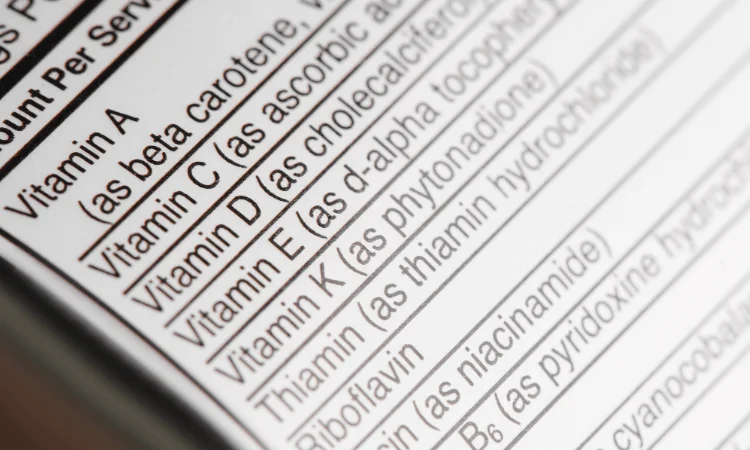
The label is a useful starting point; the substance to be investigated and the reason for suspicion should also be shared. A targetless request does not cover all possible additives.