
Sensory properties, moisture and water activity in foods
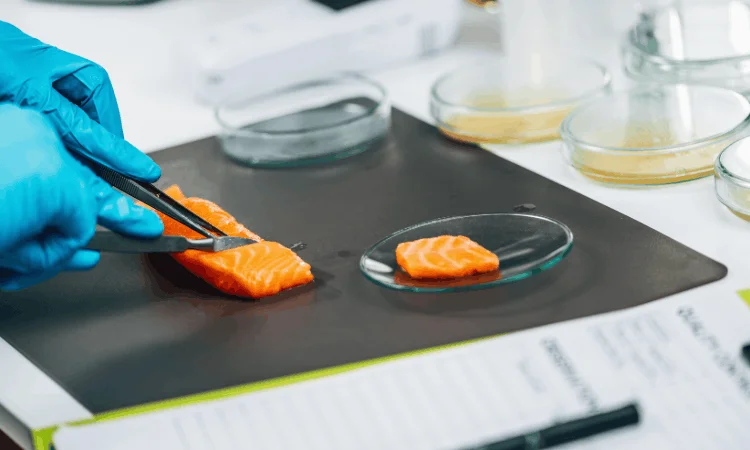
Physical analyses are used to define specific properties of food and raw materials and compare them with product criteria. The physical analysis scope of PILAB includes sensory analysis, foreign matter determination, moisture determination, and water activity determination.
These analyses can provide data for raw material acceptance, final product control, and the investigation of differences between batches. Moisture evaluates the water content of the product, while water activity assesses a different property related to the availability of water. It is important to prepare the sample appropriately for the product group and to define the purpose of comparison.
- Sensory analysis
- Determination of foreign matter
- Moisture determination
- Water activity determination
- Raw material acceptance control
- Ash Assignment
- Physical differences between parties
- Review of product appearance
- Tracking of the storage process
- Check according to the specification
Physical analysis process
Sensory inspection, foreign matter, moisture and water activity results do not answer the same question. Selection is made according to the structure of the product and the purpose of control. Representative samples and consistent inspection conditions ensure that comparisons are meaningful.
Product and property description | Sample and condition selection | Evaluation of results |
The physical property to be checked and the product criteria to be compared are determined. | The quantity, structure, and preparation conditions required for the test of the sample are clarified. | Findings are reported for the selected parameters; method consistency is maintained while comparing different batches. |
The scope includes sensory analysis, namely organoleptic examination, foreign matter determination, moisture determination, and water activity determination. The appropriate analysis is selected according to the product group.
Moisture relates to the amount of water in the sample. Water activity refers to a different property; products with the same moisture may not have the same water activity.
Sensory examination provides information about the perceptible characteristics of the product. All microbiological and chemical risks cannot be evaluated solely from appearance, odor, or other sensory characteristics.