
Monitor production hygiene with product and environmental sample data
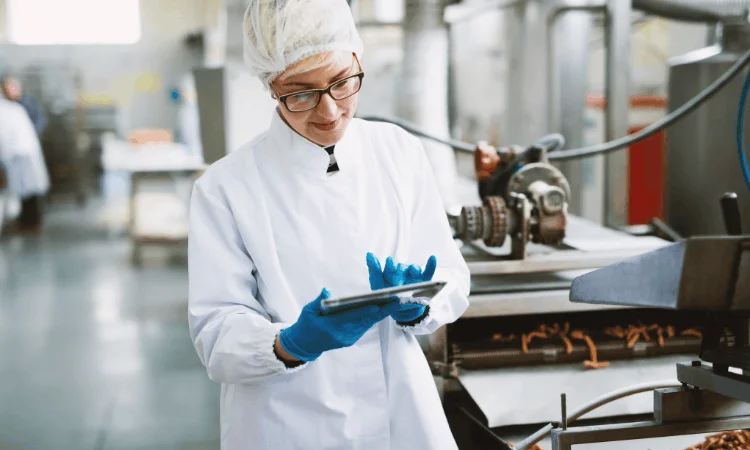
Process monitoring tests support the evaluation of changes in samples taken from specific points in production. Examining the same product at different stages or the same point at different times can help investigate deviations.
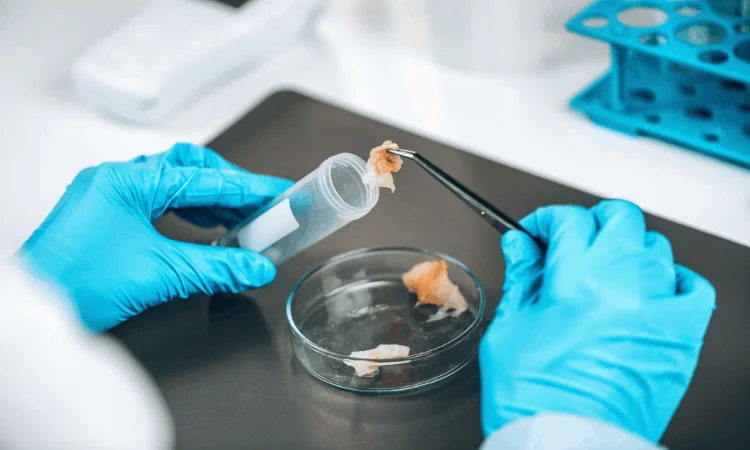
Pilab's microbiological analyses and SWAB scope provide data for investigating specific target microorganisms through aerobic colony, Enterobacteriaceae, E. coli-coliform and yeast‑mold monitoring. The sampling point, analysis frequency and target microorganism are determined together with the company's production flow and control purpose.
- Aerobic colony monitoring
- Enterobacteriaceae monitoring
- E. coli and coliform monitoring
- Yeast and mold monitoring
- Search for Salmonella with swab
- Search for L. monocytogenes with swab
- Staphylococcus count with swab
- B. cereus count with swab
- Search for Listeria spp. with swab
- Product and environmental sample comparison
Process monitoring process
For comparable results, the sampling point, timing and analytical approach must be consistent. Laboratory data supports process decisions; making the entire process valid cannot be reduced to only a few analysis results.
Determination of control points | Target and schedule | Evaluation of results with production records |
The stages or points from which product and environmental samples will be taken are defined. | Comparable time points for the relevant count or search tests are determined. | Findings are examined together with cleaning, production and storage records to provide data for investigating deviations. |
The final product test shows the status of a specific stage. Process monitoring is planned to establish relationships between different stages or times.
It can provide a start to a result investigation. Production records, repeats and data from related other control points may be needed to evaluate the reason.
Analysis data can support the company's control plan. Hazard analysis, monitoring responsibilities and corrective actions are part of the company's food safety system.