

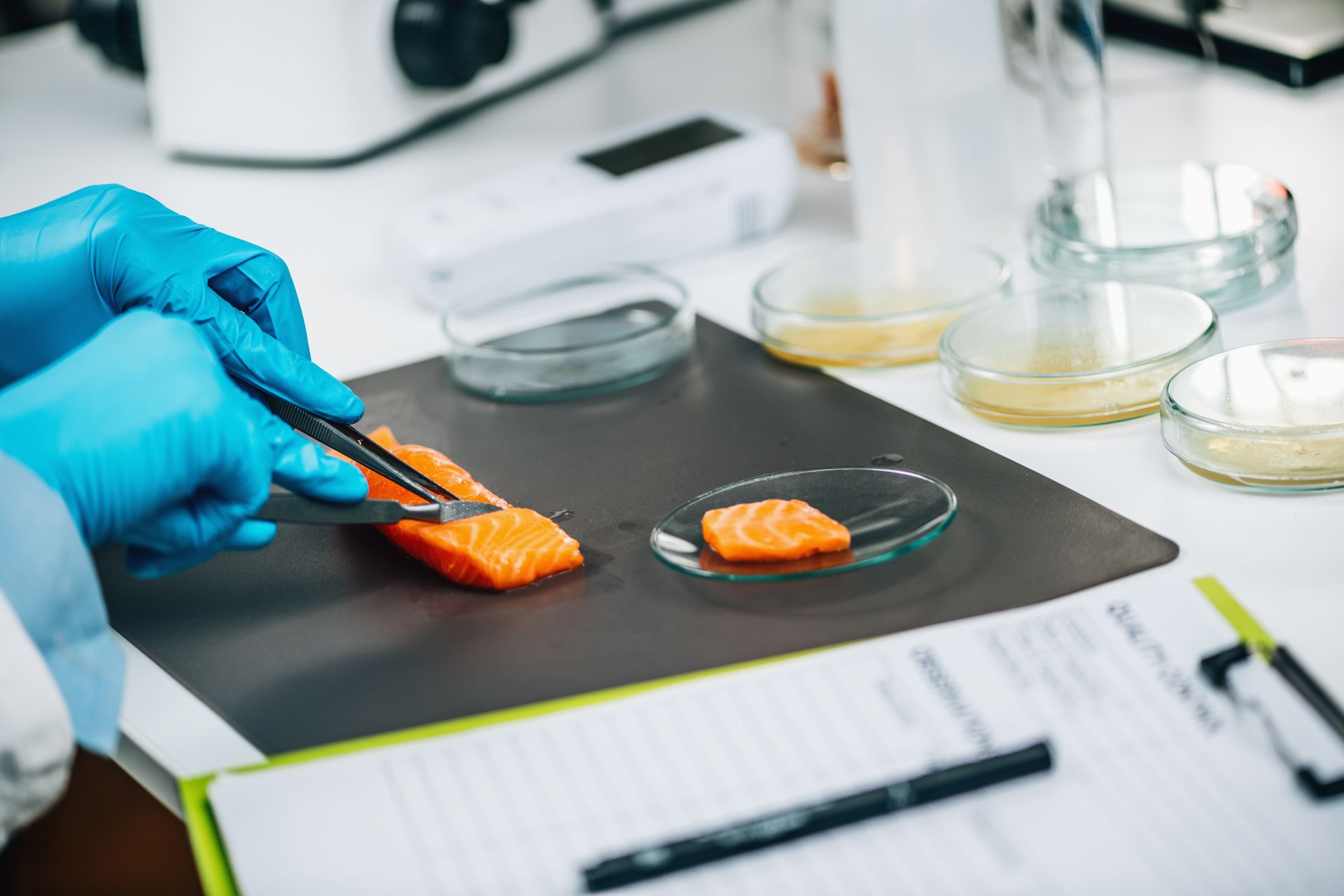
Meat and meat products are among the prominent product groups in the food sector both in terms of economic value and consumer trust. Therefore, checking whether meat products comply with the declared species is of great importance for food safety and label accuracy. Species determination in meat, is one of the main analysis headings of this control.
What is Species Determination in Meat?
Species determination in meat is the laboratory determination of which animal species' content is present in a meat or meat product sample. The analysis can be performed on ground meat, diced meat, sucuk (spicy Turkish sausage), salami, sausage, meatballs, döner, ready-to-eat meat products, and similar products.
Species determination helps assess the conformity of the product with the species declared on the label. Especially in processed meat products, a mixture of different species may be involved, so laboratory analysis is a reliable control tool. Pilab conducts species determination analysis in meat under laboratory conditions and reports the results.
Why is Species Determination in Meat Performed?
Meat species determination is performed for several basic reasons:
-
Checking label accuracy: Evaluating whether the product matches the declared species.
-
Detecting fraud and substitution risk: Helping to detect situations such as mixing lower-value species into the product.
-
Supporting food safety: Assessing the risks to consumers that may arise from the presence of undeclared species.
-
Compliance with legal requirements: Monitoring compliance with food legislation and labeling regulations.
-
Protecting consumer confidence: Consistency between product declaration and content supports brand reliability.
-
Export and commercial compliance: Providing an analysis report in line with the buyer's country or customer requirements.
-
Religious and cultural requirements: In some products, species declaration may also be important for halal/kosher requirements.
-
Supply chain control: Providing data in raw material acceptance and supplier evaluation.
In short, meat species determination is one of the basic food analyses performed to understand what the meat product is and its compliance with the declaration. Pilab conducts this analysis in a laboratory setting and reports the results.
In Which Products Can Species Determination in Meat Be Performed?
Species determination in meat may particularly come to the agenda in the following product groups:
- Ground and piece meat
- Processed meat products such as sausage, salami, and frankfurters
- Meatballs and ready-made meat mixtures
- Doner and similar products
- Canned and cooked meat products
- Winged meat and winged meat products
- Mixed meat products
- Meat products for export or retail supply
The processed nature of the product may affect the scope and evaluation of species determination analysis. Therefore, the sample type and product characteristics should be considered before analysis.
How to Evaluate Species Determination Results in Meat?
Species determination results should be evaluated together with the product's label declaration and relevant regulations. In processed products, factors such as mixture ratios, process conditions, and DNA quality can be considered when interpreting the results. Therefore, it is recommended that the results be addressed with expert evaluation.
Pilab helps you understand the current state of your product by reporting the analysis results. Current regulations and product specifications should be considered for an accurate assessment.
Why Pilab for Species Determination in Meat?
Pilab meets your meat species determination needs as a laboratory service. It conducts the analysis process professionally, reports the results, and provides information suitable for your needs. You can contact the Pilab team to maintain the quality control of meat and meat products with reliable laboratory support.
Frequently Asked Questions
Why is species determination performed in meat?
Species determination in meat is performed to verify the product's compliance with the declared species, assess the risk of fraud and mislabeling, support food safety, and monitor compliance with legal/label requirements.
Does Pilab perform meat species determination analysis?
Pilab evaluates species determination requests for meat and meat products within its laboratory services. You can contact the Pilab team for sample conditions and analysis details.
Which meat products can be subjected to species determination?
Species determination can be performed on many products such as minced meat, diced meat, sausage, salami, frankfurters, meatballs, doner, winged meat products, and processed meat products.
Which method is used for species determination in meat?
In a laboratory setting, DNA-based methods (such as PCR-based analyses) and protein-based methods can be used. The method is determined according to the product and analysis scope.
How often should meat species determination be performed?
Frequency varies depending on production volume, supply chain, regulatory requirements, and the quality control plan. The Pilab team can provide support for an appropriate monitoring plan.