

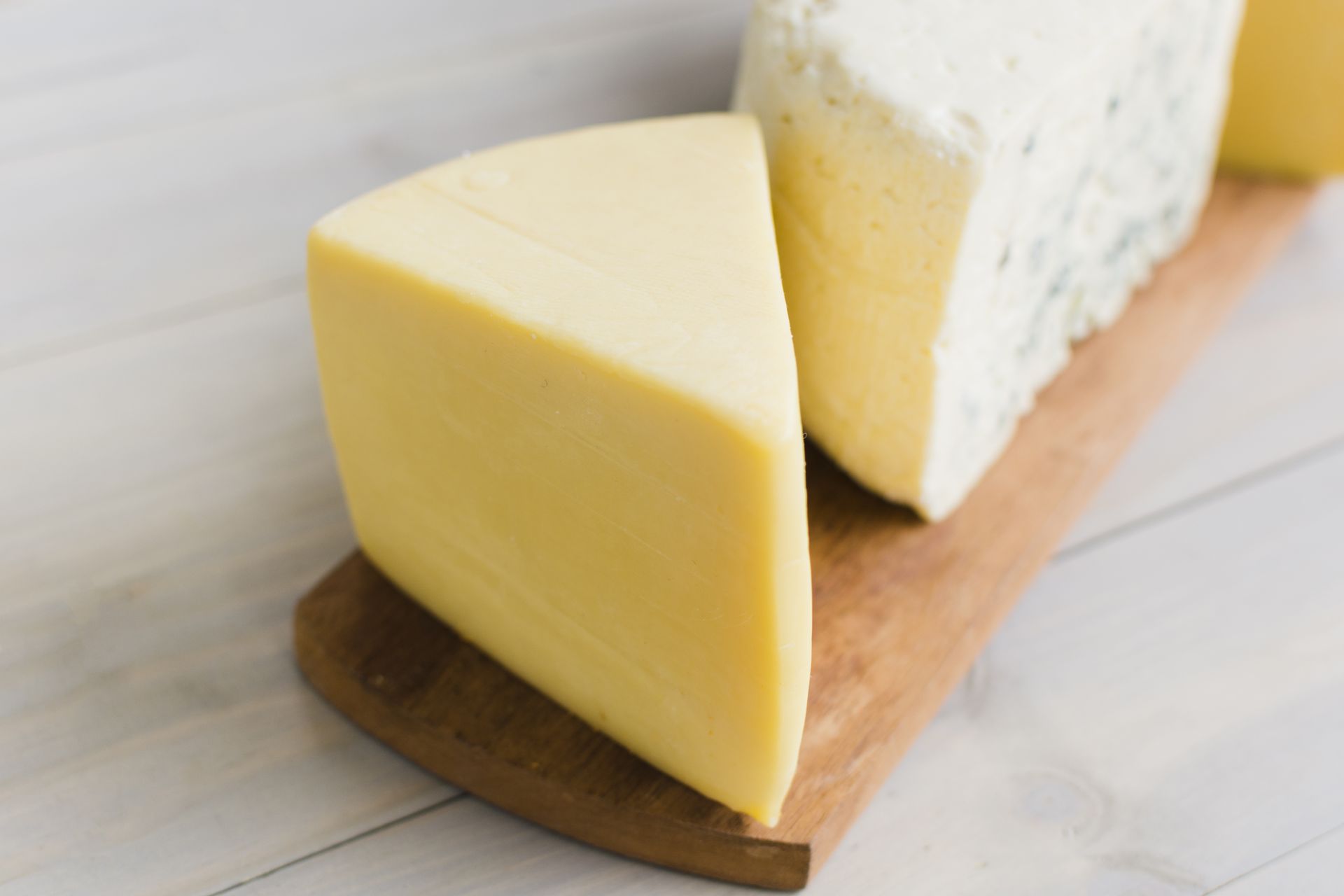
Cheese is an important food group among milk and dairy products in terms of both production and consumption. However, in milk and dairy products, residues of aflatoxin M1 (AFM1) which can originate from animal feed and pose a risk to human health, may occur. Therefore, aflatoxin analysis in cheese is a critical control heading in terms of food safety, legal compliance, and brand reliability.
As Pilab, we handle requests for aflatoxin analysis in cheese within the scope of our laboratory services.
What is Aflatoxin in Cheese?
Aflatoxins, primarily produced by Aspergillus flavus and Aspergillus parasiticus olmak üzere bazı küf türleri tarafından üretilebilen mikotoksinlerdir. Süt ve süt ürünleri açısından en çok değerlendirilen parametre, aflatoksin B1’in hayvan metabolizmasında dönüşümüyle oluşan aflatoxin M1is.
Aflatoxin M1 can pass into the milk of animals that consume contaminated feed. It cannot be said that aflatoxin M1 is completely eliminated during cheese production from milk; residues may remain in the product depending on the cheese type and production process. Therefore, aflatoxin analysis in cheese is an important quality control step especially for businesses producing milk and dairy products.
Why is Aflatoxin Analysis in Cheese Performed?
Aflatoxin analysis in cheese is performed for several basic reasons:
-
Ensuring food safety: Detection of the presence of aflatoxin M1 helps in safely evaluating the product.
-
Compliance with legal requirements: There are specific limits for aflatoxin M1 in milk and dairy products in the legislation. Analysis is used to monitor compliance with these limits.
-
Raw material control: Contributes to monitoring feed-related risks in the milk supply chain.
-
Monitoring the production process: Generates data for quality control and traceability in cheese production.
-
Export and commercial compliance: Analysis reports may be requested for export or chain market supply.
-
Brand reliability: Regular analyses support confidence among consumers and business partners.
-
Early warning: It helps in the early detection of potential contamination sources.
Briefly, aflatoxin analysis in cheese is one of the essential food analyses performed for product safety and regulatory compliance. Pilab performs this analysis in a laboratory environment and reports the results.
Aflatoxin analysis in cheese may be required especially in the following cases:
Array
Array
Array
Array
Array
Array
Array
Array
Why Choose Pilab for Aflatoxin Analysis in Cheese?
Pilab meets your need for aflatoxin analysis in cheese as a laboratory service. It manages the analysis process professionally, reports the results, and provides information tailored to your needs. You can contact the Pilab team to maintain your milk and dairy products quality control with reliable laboratory support.
Frequently Asked Questions
Why is aflatoxin analysis performed in cheese?
Aflatoxin analysis in cheese is performed to detect the presence of aflatoxin M1, ensure food safety, comply with legal limits, and maintain quality control.
Which aflatoxin parameter is examined in cheese?
Aflatoxin M1 (AFM1) is primarily evaluated in milk and dairy products. The scope of the analysis is determined based on the product and request.
If there is mold on cheese, is there aflatoxin?
The presence of mold alone does not indicate the presence of aflatoxin. Laboratory analysis is required for a definitive evaluation.
How frequently should aflatoxin analysis be performed in cheese?
Frequency varies depending on production volume, supply chain, regulatory requirements, and the quality control plan. The Pilab team can provide support for an appropriate monitoring plan.