Gıdalarda Sodyum ve Tuz Hesabı
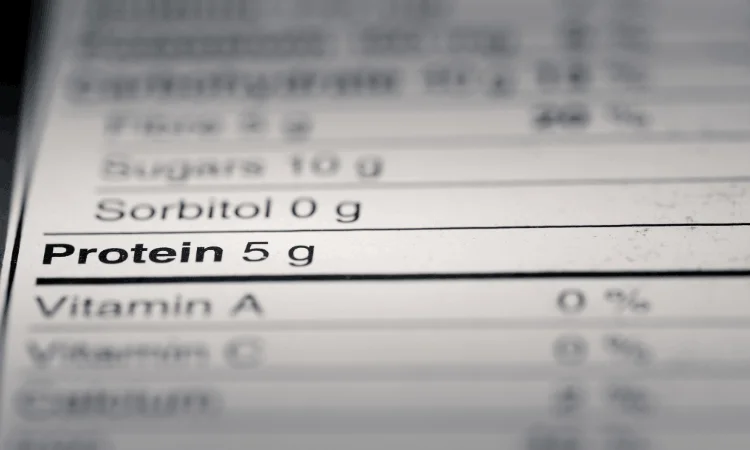
One of the parameters that must be included in the energy and nutrient table of packaged foods sodium and salt calculation in foods is the analysis. According to the Turkish Food Codex Food Labeling and Consumer Information Regulation; instead of the term “Sodium” on food labels directly "Salt" declaring its amount is a legal requirement and this value is calculated based on the total sodium amount present in the food.
Our laboratory determines the total sodium amount in your products with high precision using advanced elemental analysis devices and internationally valid reference methods, performing salt calculations that are fully compliant with regulations.
According to food regulations, the amount of salt declared on the label is determined not only by table salt added from outside the product (NaCl); but based on the total sodium coming from raw materials, preservatives (sodium benzoate, sodium nitrite, etc.), leavening agents (sodium bicarbonate) and flavor enhancers (monosodium glutamate – MSG).
Sodyum ve Tuz Analizi Neden Önemlidir?
Scientifically determining the sodium and salt ratio in pricing processes and commercial activities plays a critical role both for legal compliance and product quality:
- Compliance with Mandatory Labeling Regulations: It prevents inspection penalties and product recall risks by ensuring that the salt value in the nutrition declaration table matches the official analysis results exactly.
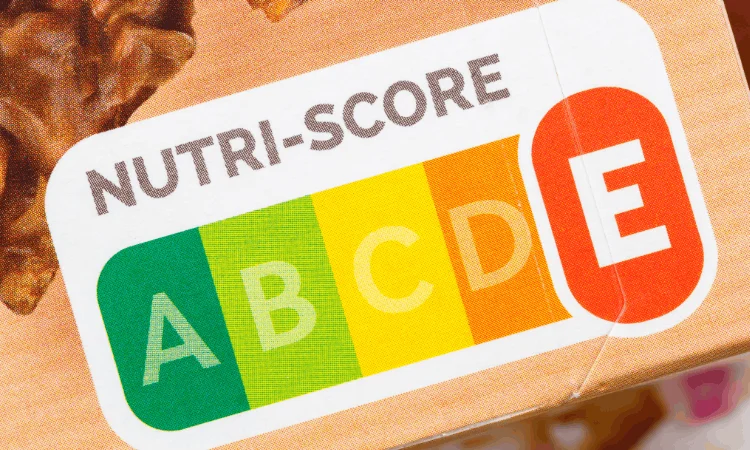
- Substantiation of Nutrition and Health Claims: Documents that label statements such as “Low sodium / low salt”, “Very low sodium / salt”, “Sodium-free / salt-free” or “Reduced salt” are within legal limits.
- Public Health and Reformulation Studies: Enables manufacturers conducting salt reduction projects to scientifically monitor the sodium reduction in new formulations and the balance between flavor and shelf life.
- Process and Quality Control: Offers batch-based consistency to maintain both microbiological safety and sensory standards in cheese, olives, pickles, delicatessen products, and sauces.
Gıdalarda Sodyum ve Tuz Tayini Yöntemleri
In our laboratory, reference techniques with international validity are applied according to the product matrix and the purpose of the analysis:
1. ICP-OES / ICP-MS ve AAS (Elementel Sodyum Tayini): Etiketleme mevzuatına tam uyum sağlayan en hassas yöntemdir. Mikrodalga yakma ünitesinde parçalanan gıda örneğindeki toplam sodyum elementi ICP-OES (İnduktif Eşleşmiş Plazma – Optik Emisyon Spektrometresi) veya AAS (Atomik Absorpsiyon Spektrometresi) cihazlarıyla ppm/ppb düzeyinde ölçülür ve 2,5 katsayısı ile çarpılarak kesin tuz miktarı hesaplanır.
2. Mohr and Volhard Methods (Titrimetric Chloride Determination): These are classic reference methods used to determine the amount of sodium chloride (NaClNaClNaCl) for rapid in-process quality control, particularly in brined products, cheese, butter, meat products, and pickles.
Hangi Ürün Gruplarına Sodyum ve Tuz Analizi Uygulanır?
With our advanced instrumental infrastructure, we provide services in all packaged and processed food categories:
- Bread, bakery products, crackers, chips and salty snacks
- White cheese, kashar cheese, butter and processed dairy products
- Sucuk, salami, sausage, pastrami and smoked meat products
- Olives, pickles, tomato paste, ketchup and ready-made sauces
- Instant soups, bouillons, spice mixtures and canned foods
- Baby formula, follow-on formula and foods for special medical purposes
- Mineral waters, sports drinks and functional beverages
You can contact our expert team to prepare your products' nutrition facts table in accordance with legal regulations and to get a detailed quote regarding our sodium and salt calculation in foods service.