Determination of Protein Content in Foods
Food safety, quality control processes and accurate labeling statements, determination of protein content in foods, is at the forefront of chemical analyses for producers. Determining the raw protein amount with scientific methods is required at many stages, from creating the nutritional value table of products to verifying raw material quality.
Our laboratory, with infrastructure fully compliant with the Turkish Food Codex and international standards, analyzes the protein levels of food products with high precision, giving confidence to your production processes.
Why is Protein Determination in Foods Important?
Accurately determining protein levels in the food sector is necessary both to meet legal obligations and to protect consumer trust:
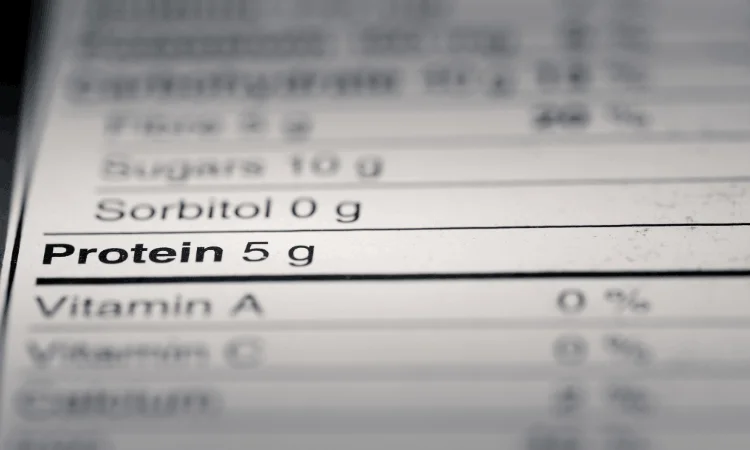
- Labeling and Nutrition Declaration: It is a legal requirement that the protein values stated on the packaging’s nutrition information match the actual analysis results.
- Quality Control and Standardization: It ensures batch-to-batch quality consistency in protein-focused products such as dairy, meat and meat products, legumes, baked goods, and sports nutrition.
- Prevention of Adulteration and Fraud: It serves as a primary reference point for detecting low‑cost additives in raw materials and verifying product specifications.
- R&D and Product Development: It provides accurate data to manufacturers seeking to optimize the nutritional profile of new formulations.
Methods for Determining Protein Content in Foods
In our laboratory, reference methods with international validity are applied according to the product matrix and analytical purpose:
1. Kjeldahl Method: The Kjeldahl method, regarded as the gold standard in food analysis, is based on converting the organic nitrogen in the sample to ammonium sulfate by burning with sulfuric acid, followed by distillation and titration to determine the nitrogen amount. The total nitrogen obtained is multiplied by food‑specific conversion factors to calculate the crude protein percentage.
2. Dumas (Combustion) Method: When faster results are needed, the Dumas method is preferred; it works by burning the sample at high temperature in a pure oxygen atmosphere and measuring the nitrogen gas released with a thermal conductivity detector. This method minimizes chemical consumables and offers high repeatability.
Which Product Groups Are Subject to Protein Analysis?
With our advanced instrument fleet we perform determination of protein content in foods across a very wide range of food products:
- Milk, cheese, yogurt and milk powder products
- Red meat, poultry and processed meat products
- Cereals, flour, bread and baked goods
- Legumes, nuts and oilseeds
- Infant formulas and follow‑on formulas
- Sports nutrition, protein powders and dietary supplements
- Animal feeds and feed raw materials
You can contact us regarding our sample submission procedures to document your products’ nutritional values in compliance with regulations and to obtain detailed information about our determination of protein content in foods service.