Determination of Total Sugar Content in Foods
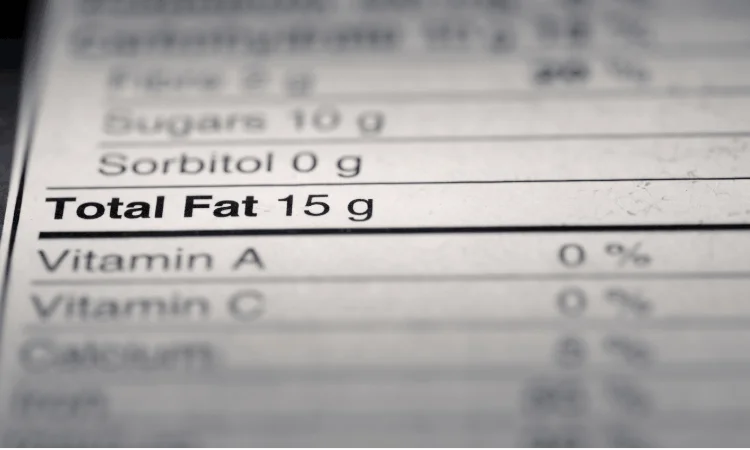
Food safety, labeling legislation and consumer protection consider determination of total sugar content in foods as one of the most carefully monitored parameters in nutritional value analyses. Within the Turkish Food Codex Food Labeling and Consumer Information Regulation; the "Sugars" value must be declared in the nutrition facts table of packaged foods just below the total carbohydrate amount, based on scientific analysis results.
Our laboratory, using advanced chromatographic systems and internationally validated reference methods, determines the total sugar and individual sugar profile of your products with high precision, fully supporting your legal‑compliance processes.
Why Is Determining Total Sugar in Foods Important?
Determining sugar levels with scientific methods during production processes and commercial activities is critical both for legal obligations and for meeting quality standards:
- Mandatory Nutrition Label Accuracy: By ensuring that the sugar amount stated on the packaging matches the actual product content, it prevents administrative penalties that could be imposed during official inspections and avoids product recall risks.
- Verification of Nutrition and Health Claims: It provides fundamental evidence to document that label statements such as “sugar‑free”, “no added sugar”, “reduced sugar” or “low sugar” comply with the regulations.
- Detection of Fraud and Adulteration: It enables the identification of externally added glucose syrup, fructose or sucrose to foods such as honey, fruit juices, molasses, jam and dairy products.
- Formulation and Process Control: It provides reliable data for monitoring fermentation processes, maintaining sweetness balance, and standardizing batch‑specific products.
Methods for Determining Total Sugar Content in Foods
Methods with international validity are applied according to the matrix of the product to be analyzed, regulatory requirements, and the requested level of detail:
1. HPLC‑RID (High‑Performance Liquid Chromatography) Method: The HPLC‑RID method, which offers the highest sensitivity in food labeling and sugar‑profile analyses, separates mono‑ and disaccharides (glucose, fructose, sucrose, lactose, maltose) on a chromatographic column and measures them individually with a Refractive Index Detector. Consequently, both the individual sugar ratios and the determination of total sugar content in foods result are reported precisely.
2. Luff‑Schoorl and Lane‑Eynon (Titrimetric) Methods: These are classic reference methods used to determine reducing sugars and total sugars after inversion. They provide rapid and reliable quality‑control data especially for high‑sugar product groups such as marmalade, jam, molasses and confectionery.
Which Product Groups Are Subject to Total Sugar Analysis?
With our advanced equipment infrastructure we offer comprehensive analysis services for all food and beverage categories:
- Fruit juices, nectars, carbonated and flavored drinks
- Chocolate, confectionery, Turkish delight, halva, and confectionery products
- Biscuits, cakes, wafers and breakfast cereals
- Honey, molasses, jam, marmalade and nut/paste spreads
- Milk, flavored milks, yogurt, ice cream and dairy desserts
- Sauces, ketchup, salad dressings and ready‑to‑eat foods
- Baby foods, sports nutrition and specialized dietary products
You can contact our expert team to prepare your product’s nutrition facts table in compliance with legal regulations and to receive a detailed quote for our determination of total sugar content in foods service.