Determination of Total Fat Content in Foods
Food product nutritional profiles, shelf life, texture characteristics and legal label statements regarding determination of total fat content in foods is one of the basic chemical analyses of quality control laboratories. Accurate determination of lipid levels throughout all production stages from raw material to final product is required for both regulatory compliance and product standardization.
Our laboratory, equipped according to the Turkish Food Codex and international analysis standards, detects total fat in food matrices with high precision, providing reliable data for your production processes.
Why is Determination of Total Fat in Foods Important?
Scientific determination of fat levels in production processes and commercial activities plays a critical role in many aspects:
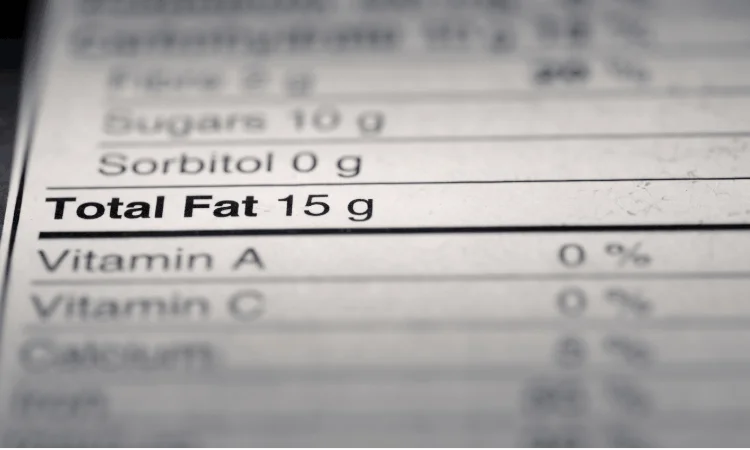
- Nutrition Declaration and Label Accuracy: Ensures that the total fat and energy values listed in the nutrition facts table on the packaging are verified within legal limits.
- Quality Control and Standardization: Guarantees batch‑based product consistency for dairy products, meat products, vegetable oils, snacks and bakery items.
- Cost and Raw Material Optimization: Facilitates monitoring of fat inputs in production formulas and auditing compliance with raw material specifications.
- Shelf Life and Sensory Quality: Fat level directly determines the product’s flavor, texture and oxidation‑related shelf‑life performance.
Methods for Determining Total Fat Content in Foods
Reference methods with international validity are applied according to the structure of the food being analyzed (presence of free fat or fat bound to proteins/carbohydrates):
1. Soxhlet Extraction Method: Based on the widely used Soxhlet method for determining free‑fat content, the fat in a dried food sample is continuously extracted with a suitable organic solvent (hexane or petroleum ether) and the remaining fat is gravimetrically weighed after the solvent is evaporated.
2. Acid Hydrolysis (Weibull‑Stoldt) Method: Applied to foods where fat forms complexes with protein or carbohydrates, such as dairy products, meat products, bakery goods and infant formulas. The sample is hydrolyzed with hydrochloric acid before extraction to release bound fats; then solvent extraction completes the determination of total fat content in foods comprehensively.
Which Product Groups Are Subject to Total Fat Analysis?
With our advanced instrumentation we offer reliable analytical services across a wide range of food categories:
- Milk, cheese, butter, cream and milk‑powder products
- Red meat, poultry and processed meat products
- Biscuits, cakes, chocolate and bakery products
- Chips, nuts and extruded snack products
- Sauces, mayonnaise and ready‑to‑eat meals
- Infant formulas and foods for special nutritional purposes
- Animal feeds and feed raw materials
You can contact us regarding our sample submission procedures to document your product nutrition declarations in accordance with legal regulations and to obtain detailed information about our determination of total fat content in foods service.