Veterinary Drug Residue Analysis in Foods
Protection of consumer health in animal-derived foods, prevention of antimicrobial resistance and toxicological risks, and full compliance with legal regulations require analysis of veterinary drug residues in foods. The aim is to detect, by scientific methods, residues that antibiotics, antiparasitics, anti‑inflammatories and other pharmacologically active substances used for treatment or prevention of diseases in livestock, beekeeping and aquaculture may leave in meat, milk, eggs, honey and aquaculture products.
The Turkish Food Codex on Classification of Pharmacologically Active Substances that May Be Present in Animal Foods and the Maximum Residue Limits Regulation, in line with European Union legislation, mandates zero‑tolerance monitoring of prohibited substances and proof that permitted veterinary drugs remain below the Maximum Residue Limits (MRL). Our laboratory offers reliable and traceable analysis of veterinary drug residues in foods using high‑sensitivity LC‑MS/MS infrastructure and analytical procedures compliant with international standards.
Why is Veterinary Drug Residue Analysis Important?
Controlling veterinary drug residues in animal food production, raw material supply, and export processes provides your business with vital guarantees:
- Compliance with Legal MRL and Prohibited Substance Legislation: Confirms through an official analysis report that permitted veterinary drugs do not exceed MRL limits and that substances whose use is prohibited in food-producing animals (such as chloramphenicol, nitrofurans metabolites, etc.) are absent.
- Consumer Health and Process Safety: In addition to preventing residue-induced allergic reactions and toxicological risks, especially in dairy products, it prevents antibiotic residues from suppressing starter culture activity and disrupting yogurt and cheese fermentation.
- Security in Export and Customs Processes: Prevents customs rejections by documenting compliance with target country legislation and buyer specifications in high-export-volume products such as honey, poultry meat, dairy products, and fishery products.
- Raw Material Acceptance and Supplier Traceability: Ensures that raw materials coming from farms, milk collection centers, apiaries, or slaughterhouses are inspected before entering the production line.
Which Product Groups Are Subject to Veterinary Drug Residue Analysis?
We serve in all animal-origin raw materials and processed products with our advanced analytical infrastructure:
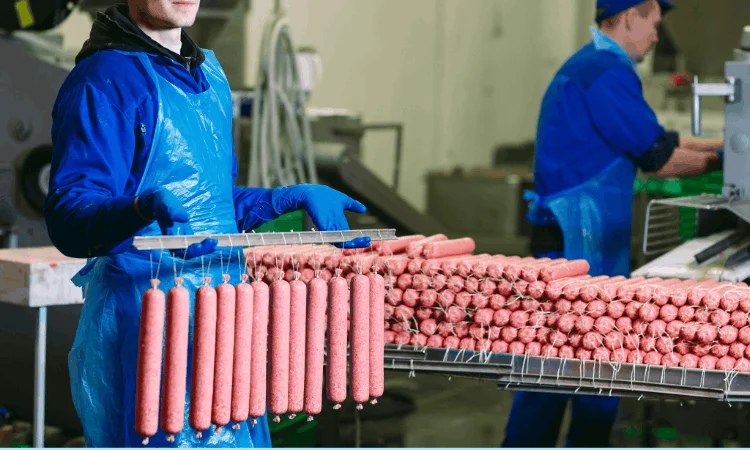
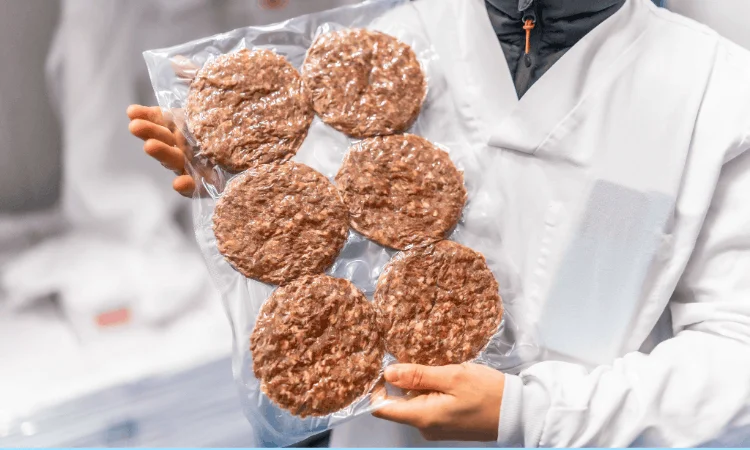
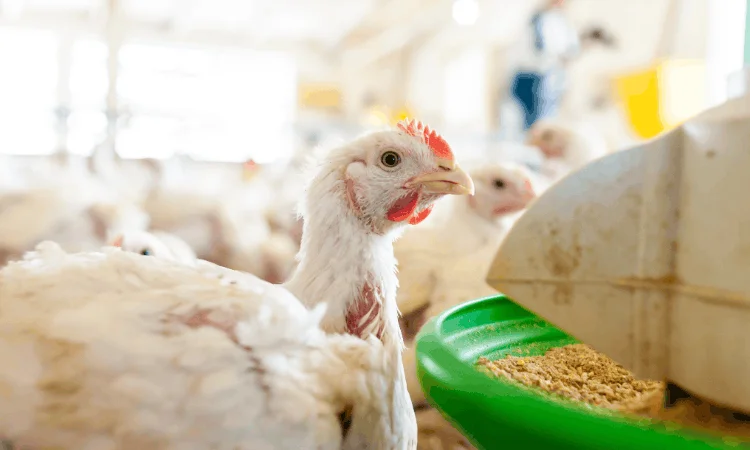
- Red meat, poultry meat, offal, and processed meat products
- Raw milk, pasteurized/UHT milk, cheese, yogurt, butter, and milk powder
- Strained honey, comb honey, and other bee products
- Eggs and egg-based products
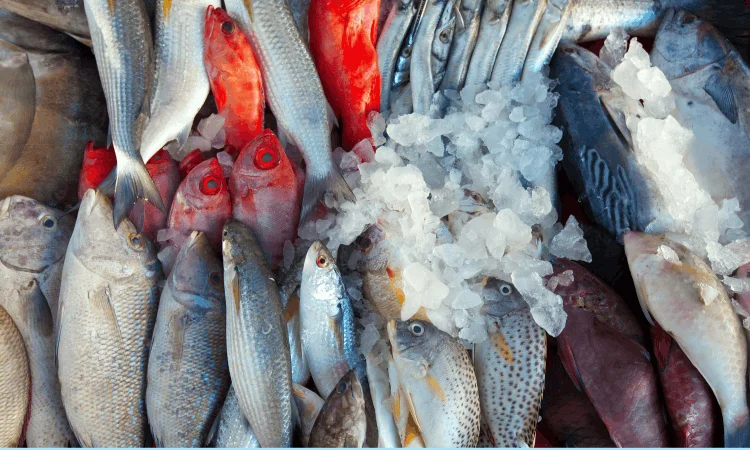
- Fish, shrimp, mussels, and other farmed/wild-caught fishery products
Frequently Asked Questions
Why is the "withdrawal period" important after the use of antibiotics or drugs in animals?
A certain period of time must pass for veterinary drugs to be eliminated from the animal's body and for the residue level in tissues/milk to fall below the legal Maximum Residue Limit (MRL). There is a risk of exceeding the limit in meat, milk, egg, or honey products obtained without complying with the legal withdrawal period after drug administration.
What is the difference between prohibited veterinary drugs and drugs subject to MRL limits?
Permitted drugs subject to MRL limits are considered safe for consumer health provided they remain below the determined legal limits. On the other hand, no safe limit has been defined for substances whose use in food-producing animals is prohibited, and their detection constitutes a direct violation of regulations.
To scientifically verify the residue safety, MRL legislation compliance, and export suitability of your animal food products, you can contact our expert team to get a detailed quote about our veterinary drug residue analysis service.