Energy Value Calculation in Foods
Compliance with food labeling legislation, consumer information transparency and the accuracy of the nutrition declaration table is one of the steps in the final product quality control processes, including energy value calculation in foods. The amount of energy provided per 100 g or 100 ml (and per portion) of food is determined in kilojoules (kJ) and kilocalories (kcal) based on laboratory analyses of energy‑giving macronutrients such as protein, fat, carbohydrate, dietary fibre, organic acids and alcohol/polialcohols in the product composition and the legal conversion factors.
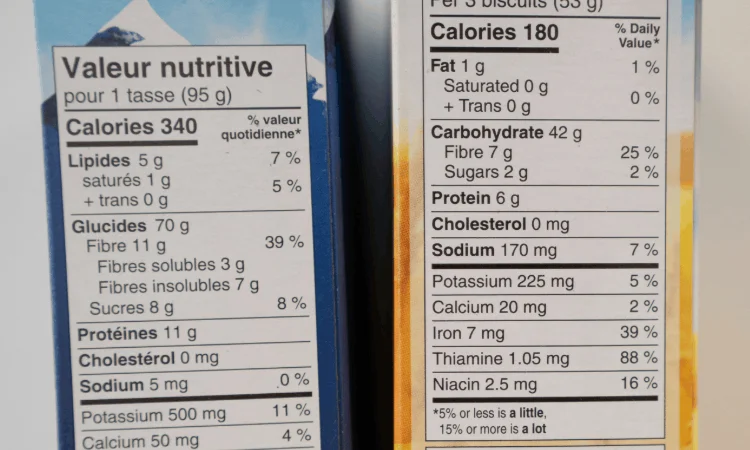
According to the Turkish Food Codex Food Labeling and Consumer Information Regulation and EU (1169/2011) regulations, the energy value must be declared on the nutrition table of most pre‑packaged foods. Our laboratory provides the energy value calculation in foods service reliably and traceably using physicochemical analysis infrastructure that complies with national and international standards.
Why Is Energy Value Calculation Important?
Calculating the energy value based on scientific analyses during production and labeling stages gives your operation critical advantages:
- Full Compliance with Labeling Legislation: By keeping the kJ and kcal values on the nutrition table on the package within the legal tolerance limits, we prevent administrative fines and product withdrawal risks.
- Verification of “Low‑Energy” and “Reduced‑Energy” Nutrition Claims: Official analysis reports certify that the nutrition and health statements on the package (e.g., “light”, “low‑calorie”, “sugar‑free”, etc.) meet the regulatory criteria.
- Recipe and R&D Optimization: Enables objective measurement of changes in the nutrient profile during new product development or reformulation (fat reduction, sugar substitution, fibre enrichment).
- Export and Corporate Customer Requirements: Provides scientifically valid data with international acceptance for technical specification files of products sent to overseas markets or offered to retail chains.
How Is Energy Value in Foods Calculated?
In our laboratory, energy value calculation in foods is performed based on the results of basic component analyses carried out directly on the product sample, using the legal conversion factors:
1. Laboratory Analysis of Basic Macronutrients
Parameters that constitute the energy calculation are analyzed according to the relevant standard methods:
- Moisture (Water) and Ash Determination
- Protein Determination (Kjeldahl or Dumas method)
- Total Fat Determination (Soxhlet / acid hydrolysis methods)
- Dietary Fibre Determination (Enzymatic‑gravimetric method)
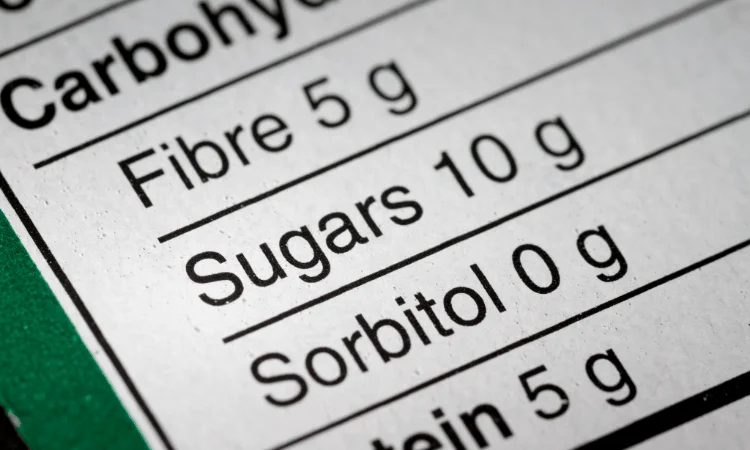
- Carbohydrate Calculation: Obtained by subtracting the amounts of protein, fat, ash and dietary fibre from the total dry matter.
- Other Energy‑Contributing Components (by Product Matrix): Alcohol, polyols (sugar alcohols), organic acids and salts.
2. Calculation Using Legal Energy Conversion Factors
Using the standard conversion factors defined in the Turkish Food Codex Food Labeling and Consumer Information Regulation, the total energy value is calculated in kJ and kcal:
| Food Component | Energy Value (kJ / g) | Energy Value (kcal / g) |
|---|---|---|
| Carbohydrates (excluding polyols) | 17 kJ/g | 4 kcal/g |
| Protein | 17 kJ/g | 4 kcal/g |
| Fat | 37 kJ/g | 9 kcal/g |
| Dietary fiber | 8 kJ/g | 2 kcal/g |
| Organic Acids | 13 kJ/g | 3 kcal/g |
| Alcohol (Ethanol) | 29 kJ/g | 7 kcal/g |
| Polyols (excluding erythritol) | 10 kJ/g | 2.4 kcal/g |
Which Product Groups Are Subject to Energy Value Calculation?
With our advanced analysis infrastructure we serve a very wide range of pre‑packaged foods and beverages:
- Bakery products, bread, biscuits, cake, wafers, chocolate and confectionery
- Milk, cheese, yoghurt, ayran, butter and milk‑based desserts
- Meat and processed meat products (sausages, salami, frankfurters, ready‑made meatballs, etc.)
- Ready meals, frozen foods, canned goods and sauces
- Fruit juices, nectars, carbonated and flavored drinks
- Nuts, dried fruits, breakfast cereals and snack bars
- Sports foods, diet products, dietary supplements and specialized nutrition foods
Frequently Asked Questions
Why should a laboratory analysis be performed instead of a theoretical (recipe‑based) energy calculation?
During production processes such as baking, drying, heating or fermentation, foods lose moisture, absorb fat or undergo component transformations. Because theoretical calculations based on the recipe cannot fully reflect these changes, laboratory analysis of the final product is the most reliable method for complying with legal tolerance limits.
Is dietary fibre analysis mandatory in energy value calculation?
Dietary fibre is included in the calculation with an energy coefficient of 2 kcal / g (8 kJ / g). If fibre is not analysed, it is counted as 4 kcal / g within the carbohydrate fraction, which can cause a significant overestimation of energy in grain‑based, legume‑based, vegetable or fibre‑rich products; therefore fibre determination is recommended.
You can contact our expert team to create a legally compliant nutrition table for your products, secure your label statements, and receive a detailed quote for our energy value calculation in foods service.