What Is Nutrition Declaration Data?
Food producers, importers and brands' product labels are the most transparent window opened to the consumer. At the heart of this label lies nutrition declaration data. Providing error‑free, scientifically based values that comply with Turkish Food Codex regulations is important for both smooth consumer supply and seamless progress of legal processes.
As a food analysis laboratory we carry out comprehensive laboratory analyses for your products. We provide nutrition declaration data based on scientific measurement of a sample taken directly from your product, not on recipe assumptions or estimates. So, what exactly is a nutrition declaration, what does it cover, and how do laboratory analyses work for different food groups?
What Is Nutrition Declaration Data?
Nutrition declaration data are numerical values that show a food's energy value and basic nutrient contents in a standard format. According to the Turkish Food Codex Food Labeling and Consumer Information Regulation, a nutrition declaration table must be present on the large section of pre‑packaged products.
These data allow the consumer to evaluate the product per 100 g or 100 ml (or per portion/unit as defined by the regulations).
Which Parameters Appear on the Nutrition Declaration Table?
The mandatory nutrition declaration table presents the basic parameters in a specific order according to the regulation:
- Energy Value: Expressed in kilojoules (kJ) and kilocalories (kcal).
- Fat: Total fat amount is shown in grams (g).
- Saturated Fat: Appears indented directly below the fat line.
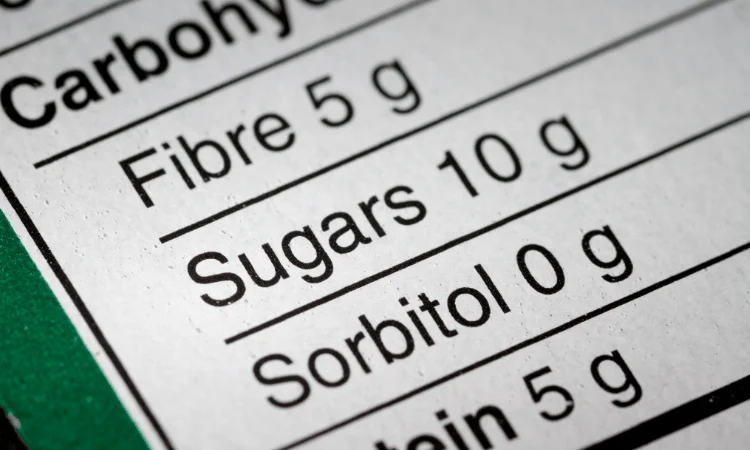
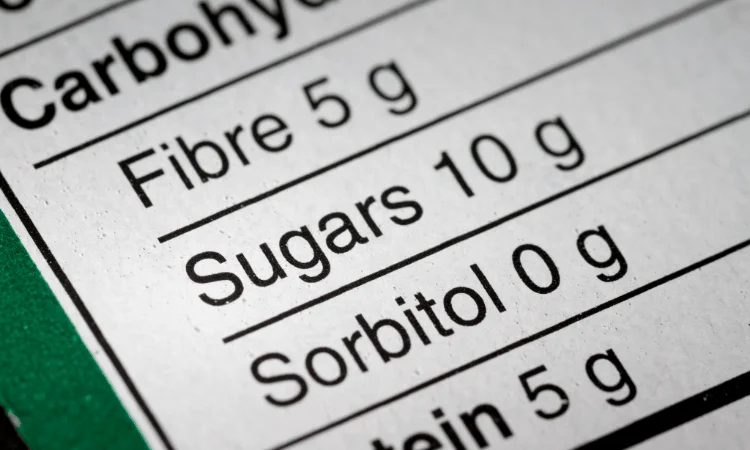
- Carbohydrate: Total carbohydrate amount in the product.
- Sugars: Listed indented under the carbohydrate line.
- Protein: Total protein amount contained in the product.
- Salt: Total salt amount calculated from the sodium value (using the formula Sodium × 2.5).
Depending on need and regulatory conditions, single unsaturated fatty acids, multiple unsaturated fatty acids, polyols, starch, fiber, vitamins and minerals may also be included in the table.
Laboratory Analysis Parameters That Stand Out by Food Group
In addition to the mandatory core parameters, each food group has critical analysis parameters that stand out due to its production process and composition:
Bakery Products (Bread, Cake, Biscuit, Cracker)
- Moisture and Ash Analysis: Because carbohydrate value is usually calculated by the “difference method” (100 – [Moisture + Ash + Protein + Fat]), post‑cooking moisture and ash measurements are fundamental for energy accuracy.
- Fatty Acid Composition: Determination of saturated and trans fatty acids is essential and depends on the type of fat used.
- Dietary Fiber: In whole‑grain or fiber‑focused products, fiber amount directly affects the energy calculation (2 kcal/g) and must be analyzed.
- Sodium / Salt: Total sodium from leavening agents and table salt must be measured precisely.
Beverages (Fruit Juices, Carbonated Drinks, Energy Drinks)
- Sugar Profile (HPLC for Fructose, Glucose, Sucrose, Lactose): Specific sugar fractions are separated to verify claims such as “no added sugar” or “sugar‑free.”
- Polyols and Sweeteners: Polyols used in low‑calorie drinks are analyzed separately because their energy coefficient (2.4 kcal/g) varies.
- Specific Gravity (Density): Since the declaration is made per 100 ml, converting weight (g) to volume (ml) requires density determination.
Milk and Dairy Products (Cheese, Yogurt, Milk‑based Desserts, Ice Cream)
- Total Fat and Milk Fat Ratio: The milk‑fat ratio in dry matter is critical for both legal classification and saturated‑fat declaration.
- Protein Determination: Accurate protein amount is obtained by correctly applying the nitrogen‑protein conversion factor (6.38) for dairy products.
- Lactose Determination: Products claiming “lactose‑free” must have residual lactose verified with sensitive methods.
- Salt (Chloride / Sodium): In products with high salt variability such as brined cheeses and butter, batch‑level measurement becomes important.
Snacks and Confectionery (Chips, Nuts, Chocolate, Protein Bar)
- Fat and Fatty Acid Profile: The balance of saturated and unsaturated fatty acids after frying or roasting is measured.
- Protein and Fiber: Claims of “high protein” or “high fiber” in sports bars and functional snacks are scientifically validated through analysis.
- Sugars and Sugar Alcohols: In chocolates and confectionery, separating total sugars from polyols directly determines the energy value.
You can contact us to use our laboratory analysis services to obtain reliable, measurable and audit‑ready nutrition declaration data for your products.