Veterinary Drug Residue Analysis in Foods
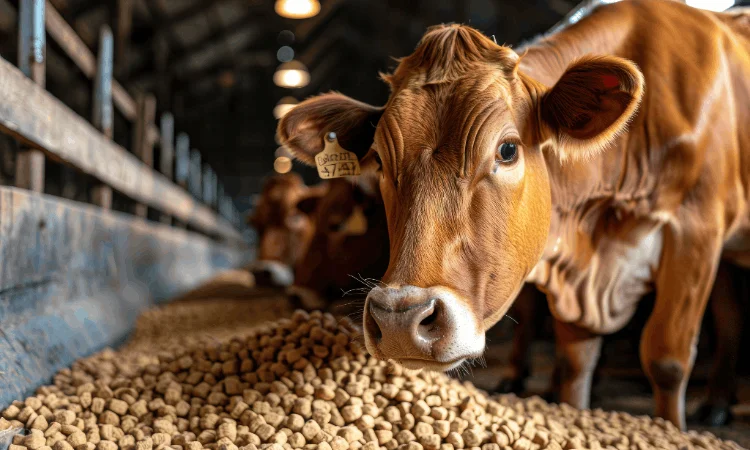
In terms of protecting consumer health in foods of animal origin, preventing antimicrobial resistance and toxicological risks, and ensuring full compliance with legal regulations, veterinary drug residue analysis in foods is one of the important activities of food safety control programs. It aims to determine through scientific methods the residues that antibiotics, antiparasitics, anti-inflammatories, and other pharmacologically active substances used for the treatment or prevention of diseases in livestock, apiculture, and aquaculture may leave in meat, milk, eggs, honey, and fishery products.
Within the scope of the Turkish Food Codex Regulation on the Classification of Pharmacologically Active Substances and Maximum Residue Limits in Foods of Animal Origin and European Union legislation, it is required to inspect prohibited substances with zero tolerance and to prove that permitted veterinary drugs remain below Maximum Residue Limits (MRL). Our laboratory offers the service of veterinary drug residue analysis in foods in a reliable and traceable manner with analytical procedures complying with relevant legal procedures and standards.
Why is Veterinary Drug Residue Analysis Important?
Controlling veterinary drug residues in animal food production, raw material supply, and export processes provides your business with vital guarantees:
- Compliance with Legal MRL and Prohibited Substance Legislation: Confirms through an official analysis report that permitted veterinary drugs do not exceed MRL limits and that substances whose use is prohibited in food-producing animals (such as chloramphenicol, nitrofurans metabolites, etc.) are absent.
- Consumer Health and Process Safety: In addition to preventing residue-induced allergic reactions and toxicological risks, especially in dairy products, it prevents antibiotic residues from suppressing starter culture activity and disrupting yogurt and cheese fermentation.
- Security in Export and Customs Processes: Prevents customs rejections by documenting compliance with target country legislation and buyer specifications in high-export-volume products such as honey, poultry meat, dairy products, and fishery products.
- Raw Material Acceptance and Supplier Traceability: Ensures that raw materials coming from farms, milk collection centers, apiaries, or slaughterhouses are inspected before entering the production line.
Which Product Groups Are Subject to Veterinary Drug Residue Analysis?
We serve in all animal-origin raw materials and processed products with our advanced analytical infrastructure:
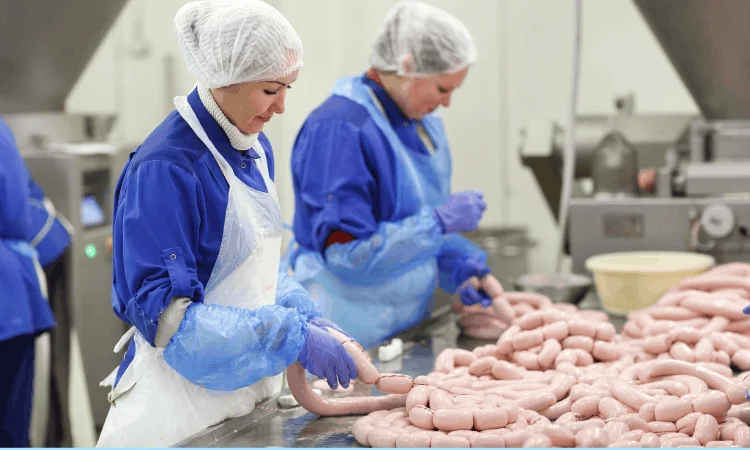
- Red meat, poultry meat, offal, and processed meat products
- Raw milk, pasteurized/UHT milk, cheese, yogurt, butter, and milk powder
- Strained honey, comb honey, and other bee products
- Eggs and egg-based products
- Fish, shrimp, mussels, and other farmed/wild-caught fishery products
Frequently Asked Questions
Why is the "withdrawal period" important after the use of antibiotics or drugs in animals?
A certain period of time must pass for veterinary drugs to be eliminated from the animal's body and for the residue level in tissues/milk to fall below the legal Maximum Residue Limit (MRL). There is a risk of exceeding the limit in meat, milk, egg, or honey products obtained without complying with the legal withdrawal period after drug administration.
What is the difference between prohibited veterinary drugs and drugs subject to MRL limits?
Permitted drugs subject to MRL limits are considered safe for consumer health provided they remain below the determined legal limits. On the other hand, no safe limit has been defined for substances whose use in food-producing animals is prohibited, and their detection constitutes a direct violation of regulations.
To scientifically verify the residue safety, MRL legislation compliance, and export suitability of your animal food products, you can contact our expert team to get a detailed quote about our veterinary drug residue analysis service.