Vitamin and Mineral Claims in Foods
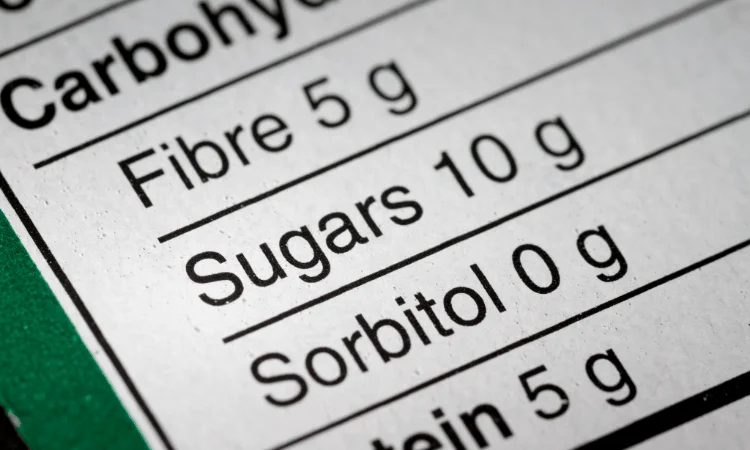
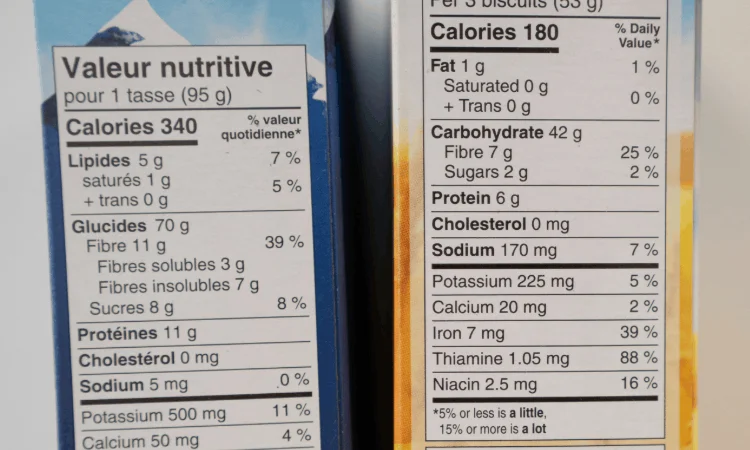
In terms of full compliance with food labeling regulations, consumer information transparency, and scientific substantiation of nutrition/health claims, vitamin and mineral claims in foods are important parameters of end-product quality control processes. Determining the amounts of vitamins and minerals contained per 100 grams or 100 milliliters (and/or serving) of a food through accurate analyses forms the legal basis for both mandatory nutrition declaration tables and "source of vitamin", "high in mineral" or approved health claims.
Within the scope of the Turkish Food Codex Regulation on Food Labeling and Consumer Information, the Turkish Food Codex Regulation on Nutrition and Health Claims, and European Union legislation, the defined lists of vitamins and minerals that can be included in the nutrition declaration table, criteria for "significant amount" (source claim thresholds), and legal tolerance limits are clearly regulated. With its analytical infrastructure complying with national and international reference standards, our laboratory determines the vitamin and mineral levels in your products in a reliable and traceable manner, providing scientific assurance for your vitamin and mineral claims in foods processes.
Why Are Vitamin and Mineral Claims Important?
Verifying vitamin and mineral values with accredited laboratory analyses during production processes and the labeling stage provides your business with strong advantages:
- Compliance with Labeling Regulations and Tolerance Limits: Ensures that the vitamin and mineral values declared on the packaging remain within legal tolerance ranges, preventing administrative penalties and product recall risks.
- Legal Basis of Nutrition and Health Claims: Confirms with scientific reports that claims such as "source of vitamin A", "high in vitamin C", "source of iron", or "calcium contributes to the maintenance of normal bones" can only be used when the minimum threshold values in the legislation are met.
- Monitoring of Process Losses and Stability: Vitamins (especially vitamin C, B-group vitamins, vitamins A and E) can be sensitive to heat, light, oxygen, pH, and storage duration. Analysis results help control losses occurring during production and shelf life, and optimize formulations.
- Supplier Verification and Batch-to-Batch Consistency: Audits the homogeneous distribution and dosage accuracy of vitamin/mineral premixes used in fortified foods, dietary supplements, and products for particular nutritional uses on a batch basis.
Approaches Applied in Vitamin and Mineral Determination
Depending on the chemical structure, concentration level, and product matrix of the vitamin or mineral parameter to be analyzed in our laboratory, national/international standard methods are applied:
1. Vitamin Analyses (Instrumental Chromatographic / Spectrophotometric / Microbiological Methods)
-
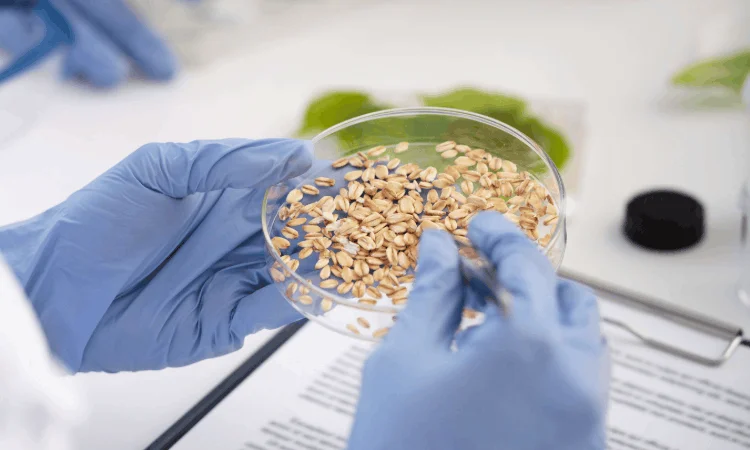
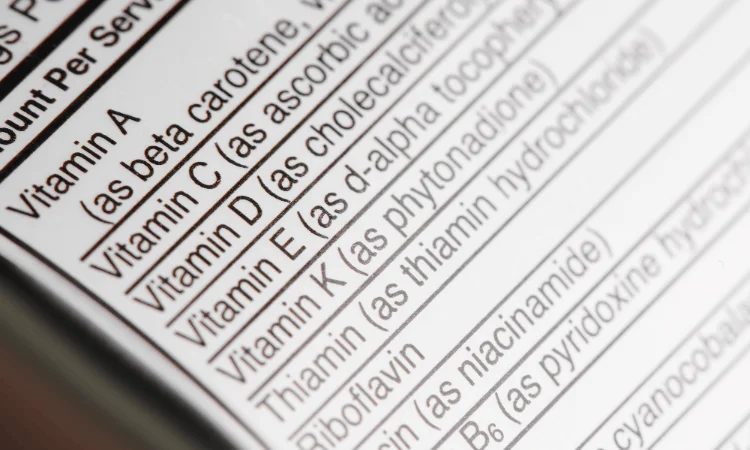
Fat-Soluble Vitamins (A, D, E, K): Analyzed using sensitive chromatographic systems such as high-performance liquid chromatography (HPLC / UHPLC) after the sample undergoes appropriate pretreatment (e.g., saponification or extraction).
-
Water-Soluble Vitamins (Vitamin C and B-Group Vitamins: B1, B2, B3, B5, B6, Folic Acid, B12): Determined by chromatographic (HPLC / LC-MS/MS) or relevant standard methods following matrix-appropriate extraction and purification steps.
2. Mineral Analyses (Spectroscopic Methods)
-
Macro and Micro Minerals (Calcium, Magnesium, Potassium, Sodium, Iron, Zinc, Copper, Manganese, Phosphorus, Selenium, etc.): Following appropriate wet or microwave digestion (mineralization) procedures of the sample, it is analyzed using high-precision spectroscopic systems such as ICP-OES, ICP-MS or AAS.
Which Product Groups Are Subject to Vitamin and Mineral Analysis?
With our advanced analytical infrastructure, we serve across a very wide range of food, beverage, and supplement products:
- Fortified cereal products, flours, breakfast cereals, bread and bakery products
- Milk, yogurt, cheese, plant-based milk alternatives, and dairy-based beverages
- Fruit juices, nectars, beverages, and powdered drink mixes
- Dietary supplements, sports foods, and foods for special nutritional uses
- Infant and young child complementary foods / specially formulated products
- Chocolate, biscuits, snacks, oils, and ready-to-eat foods
Frequently Asked Questions
What condition is required for a vitamin or mineral to be included in the nutrition declaration table?
In order for vitamins or minerals defined within the scope of the legislation to be declared in the nutrition declaration table, they must meet the "significant amount" criterion (usually a certain percentage of the nutrient reference value in 100 g or 100 ml or in single-portion packaging—for example, at least 15% in most foods) specified in the relevant legislation.
Why should shelf life and production process be evaluated together in vitamin and mineral analyses?
Particularly vitamins may decrease due to heat, light, and oxidation during thermal processes in production or storage periods. In order to guarantee that the values declared on the label remain within legal tolerance limits until the end of shelf life, monitoring is recommended both at the exit of production and throughout the shelf life.
You can contact our expert team to verify the nutrition declaration table and vitamin/mineral claims of your products in compliance with regulations, and to get a detailed quote regarding our vitamin and mineral claims in foods service.