Perchlorate Analysis in Foods
Environmental factors, agricultural inputs, or waters used in production lines can introduce perchlorate into the food chain (ClO4−\text{ClO}_4^-ClO4−), a chemical contaminant closely monitored in food safety because it can temporarily suppress the thyroid gland’s iodine uptake. Chemically very stable and readily soluble in water, this ion can accumulate in plant tissues and also transfer to foods from sources used in washing, boiling, or processing steps. Perchlorate analysis in foods, by measuring perchlorate residues in products at trace levels (mg/kg\text{mg/kg}mg/kg or µg/kg\mu\text{g/kg}µg/kg), ensures compliance with the applicable food code and international contamination limits.
Especially for products intended for infant and young child nutrition, as well as categories such as leafy vegetables, fruits, tea infusions and spices, keeping perchlorate levels under control is decisive both for market inspections and export operations. Our laboratory provides perchlorate analysis in foods service with chromatographic and mass‑spectrometric measurement infrastructure, delivering traceable and regulation‑compliant reporting standards.
Why Perchlorate Analysis in Foods Is Important?
Regular perchlorate control during production processes and the supply chain offers businesses various operational and legal advantages:
- Protection of Sensitive Consumer Groups: It contributes to keeping perchlorate exposure within legal limits for groups sensitive to iodine balance, especially infants, children and pregnant women.
- Compliance with Regulations and Limit Values: Official analysis reports prove that products do not exceed legal limits according to national contaminant regulations and EU food safety criteria.
- Safety in Export Processes: By ensuring that fresh or dried plant products destined for foreign trade meet the maximum limits specific to the importing countries, it prevents bulk rejections and notifications.
- Monitoring of Supply and Process Sources: Helps detect early-stage contaminations that may arise from irrigation water, fertilizer inputs or on‑site washing waters.
Which Product Groups Does It Apply To?
Perchlorate analysis can be performed on many food and agricultural product groups that have different moisture, oil and fiber contents:
- Fresh vegetables (lettuce, spinach, arugula, cucumber, tomato, pepper, etc.) and fruits
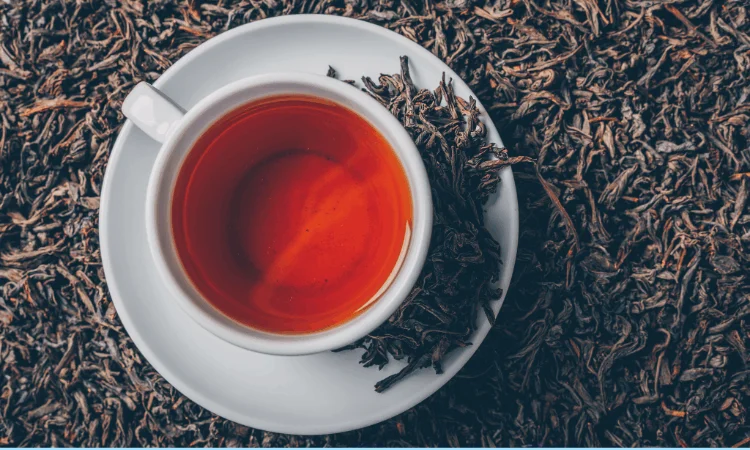
- Black tea, green tea, herbal and fruit teas
- Dried spices and aromatic herbs
- Infant and young‑child follow‑on formulas and complementary foods
- Cereals, legumes, nuts and dried fruits
- Fruit juices, beverages, sauces and processed plant foods
Frequently Asked Questions
How can perchlorate enter foods?
Irrigation waters or fertilizers of environmental and agricultural origin, natural geological formations, and waters used in food processing and washing steps are the primary vectors that can introduce perchlorate into the food chain.
Why are perchlorate and chlorate analyses often performed together?
Because both ions can be associated with similar environmental, agricultural or water/disinfection sources and are evaluated under the same contaminant regulations, they are frequently monitored together, especially in fresh plant products, tea and infant foods.
You can contact our laboratory to validate your products’ perchlorate levels with scientific data and obtain detailed information about our perchlorate analysis in foods service.