Energy Value Calculation in Foods
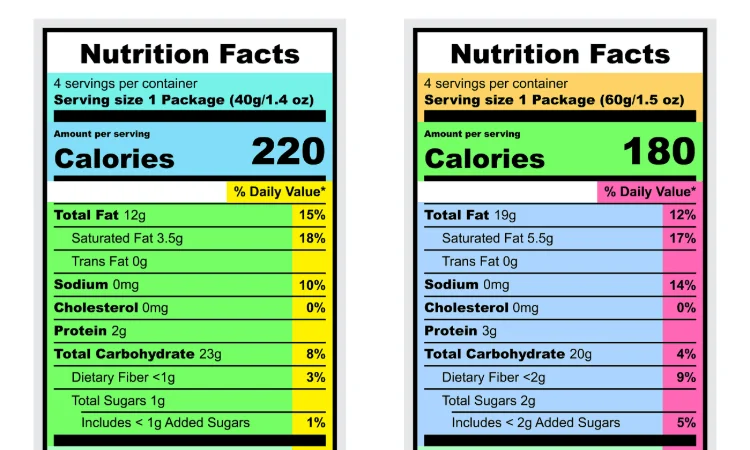
The most striking line of the mandatory nutrition declaration table on the labels of packaged food products, energy value calculation in foods, is the process of determining the total calories the product provides to the consumer using scientific data. In accordance with the Turkish Food Codex Regulation on Food Labeling and Consumer Information, it is a legal requirement to accurately declare the energy value of foods in both kilojoules (kJ) and kilocalories (kcal) per 100 g or 100 ml (and optionally on a per portion basis).
Our laboratory measures the macro-nutrients making up the food using internationally valid reference analysis methods, offering regulatory-compliant energy calculation and accredited reporting services.
How is the Energy Value Calculation in Foods Performed?
According to food regulations, the energy value of a product is not calculated by directly burning it with a single device; rather, it is calculated by separately analyzing the energy-yielding components in the food and multiplying these components by their legal conversion factors.
According to the Turkish Food Codex and European Union regulations, the standard conversion factors used for the calculation of energy value in foods are as follows:
| Nutrient / Component | Kilocalories (kcal / g) | Kilojoules (kJ / g) |
|---|---|---|
| Carbohydrates (excluding polyols) | 4 kcal/g | 17 kJ/g |
| Protein | 4 kcal/g | 17 kJ/g |
| Fat | 9 kcal/g | 37 kJ/g |
| Dietary fiber | 2 kcal/g | 8 kJ/g |
| Alcohol (Ethanol) | 7 kcal/g | 29 kJ/g |
| Organic Acids | 3 kcal/g | 13 kJ/g |
| Polyols (excluding erythritol) | 2.4 kcal/g | 10 kJ/g |
| Erythritol | 0 kcal/g | 0 kJ/g |
Why is Energy Value Analysis Important?
Determining the caloric value through accredited laboratory analyses in production processes and commercial activities provides multifaceted assurance to your brand:
- Full Compliance with Mandatory Labeling Legislation: Ensures that the kJ and kcal values in the nutrition declaration table align with official inspection analyses, preventing administrative fines and label revision costs.
- Substantiation of Nutrition and Health Claims: Scientifically proves that label claims such as "Low energy", "Energy-reduced (Light)", or "Energy-free" meet the legal limits defined in the legislation.
- Diet, Sports, and Special Dietary Products: Reinforces consumer trust in diet products, sports foods, baby formulas, and food supplements where calorie control is paramount.
- R&D and Formulation Optimization: Clearly demonstrates the reduction in the total caloric value achieved by the new recipe during sugar or fat reduction studies.
Which Product Groups Are Subject to Energy Value Calculation?
With our advanced analysis infrastructure, we serve across all packaged food and beverage categories:
- Bakery products, bread, biscuits, cakes, and breakfast cereals
- Chocolate, confectionery, Turkish delight, halva, and confectionery products
- Milk, cheese, yogurt, butter, ice cream, and dairy desserts
- Meat, chicken, fish, and processed delicatessen products
- Fruit juices, carbonated beverages, flavored drinks, and coffee/tea mixes
- Sauces, salad dressings, ready meals, and frozen foods
- Sports nutrition, protein bars, diet products, and baby foods
Is it sufficient to write only kcal (kilocalories) on the label?
No. In accordance with the Turkish Food Codex Regulation on Food Labeling and Consumer Information, it is mandatory to declare both kJ and kcal values together in the energy value table in the specified order (kJ first, followed by kcal).
You can contact our expert team to prepare your products' nutritional value table in compliance with legal regulations and to receive a detailed quote regarding our energy value calculation in foods service.