Food Formulation Change Control
Cost optimization in food production, raw material substitution, sugar/fat/salt reduction, any recipe revision made for reasons such as fiber or protein enrichment or supplier change, the final product’s chemical, physicochemical, sensory and molecular properties can be affected. Food formulation change control, evaluation of samples produced with a new or revised recipe by scientific analyses, including the nutrition declaration table, nutrition/health claims, the process of verifying quality parameters and compliance with legal regulations.
Turkish Food Codex labeling and food safety regulations within which the impact of formulation changes on product safety and label statements must be confirmed. Our laboratory, with an analytical infrastructure compliant with national and international standards food formulation change control provides reliable, comparable and traceable data in your processes.
Why is Formulation Change Control Important?
Validating recipe updates with laboratory analyses before market launch gives your business critical advantages:
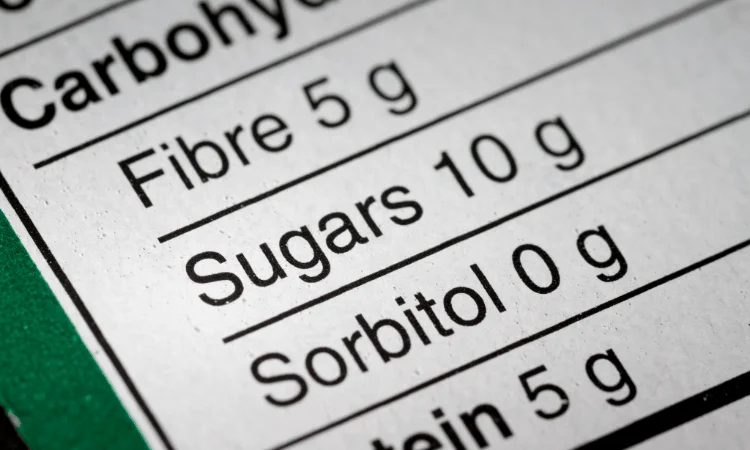
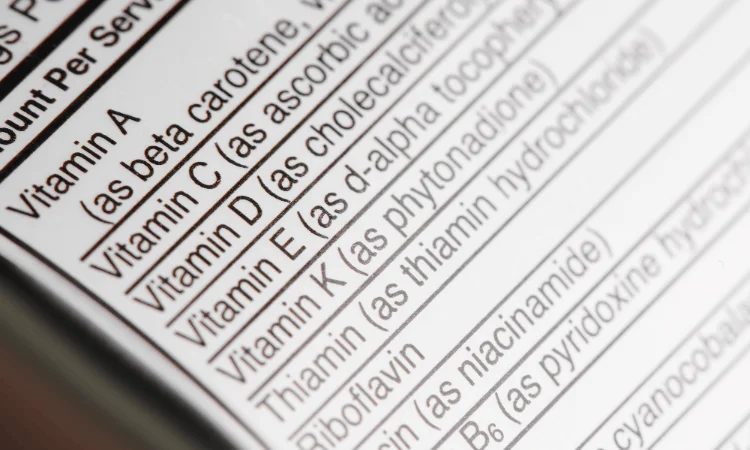
- Compliance with Label Statements and Tolerance Limits: Changes in raw material ratios or ingredients in the recipe; energy value, protein, total fat, saturated fat, carbohydrate, sugar, dietary fiber, salt/sodium as well as vitamin/mineral levels can also change. Analysis verification, ensures that the nutrition declaration on the packaging matches the current product.
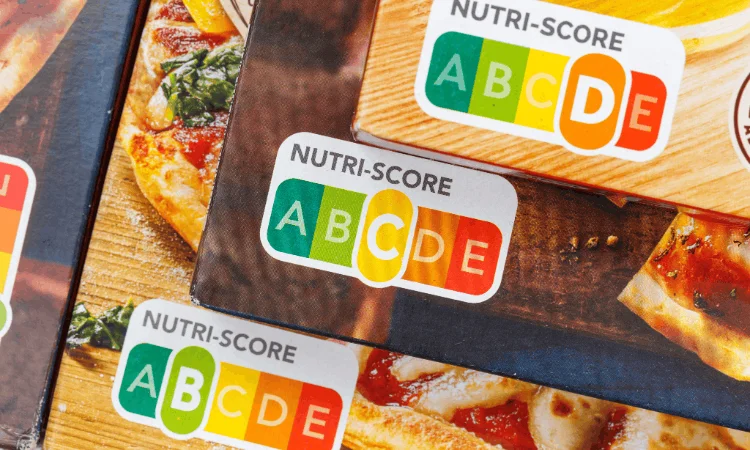
- Preserving the Validity of Nutrition and Health Claims: "reduced sugar", "source of fiber", "high protein" or confirms with an official report that vitamin/mineral claims also meet legal threshold values in the new formulation.
- Management of Shelf Life, Texture and Stability Risks: Water activity (awa_waw), moisture, pH, acidity, prevents risks of microbiological resistance, consistency, brittleness or lipid oxidation by enabling early detection of changes that may occur in parameters such as free fatty acid or peroxide value.
- Ensuring Content and GMO Traceability: Supports ingredient transparency and regulatory compliance through species-specific gene screenings and GMO control analyses when a new plant-based input or supplier is introduced.
Key Parameters Examined in Formulation Changes
The analysis scope is structured in a goal-oriented manner depending on the nature of the revision:
| Focus of Change | Prominent Control Parameters | Evaluated Impact |
|---|---|---|
| Nutritional Profile and Label Revision | Energy value calculation, protein, total fat, saturated fat, carbohydrate/sugar/fiber, sodium/salt, vitamin and mineral analyses | Accuracy of the nutrition declaration table and compliance of nutrition/health claims |
| Shelf Life, Structure and Freshness | Moisture, water activity (aw), pH, acidity determination, free fatty acid (FFA), peroxide value, foreign matter and sensory analysis | Product stability, process/texture behavior and oxidative/hydrolytic freshness |
| Raw Material Substitution and Ingredient Declaration | Species-specific gene screenings (soy, corn, canola, cotton, etc.), p35S/tNOS/pFMV screenings and related physicochemical tests | Content accuracy, purity and compliance with GMO regulations of the new ingredient/supplier |
In Which Product Groups is Formulation Change Control Applied?
We serve a very wide range of food, beverage and special nutrition products with our advanced laboratory infrastructure:
- Bakery products, bread, biscuits, cake, wafers, chocolate and confectionery
- Milk, yogurt, cheese, ice cream and dairy-based dessert/beverage products
- Vegetable oils, margarines, sauces, pastes, ketchup, mayonnaise and canned goods
- Fruit juices, nectars, flavored beverages and powder mixes
- Nuts, dried fruits, breakfast cereals and snack bars
- Meat and processed meat products, ready-to-eat meals and fermented foods
- Food supplements, sports nutrition and products for special dietary use
Is it necessary to have comprehensive analysis performed for every minor recipe change?
This depends on whether the change affects the product’s nutritional profile, shelf life, safety or claims. Energy, macro‑nutrient components, sugar/fat/salt/fiber ratios, pH/awa_waw, oxidation stability or the use of new plant raw material/supplier are elements that affect the change, and verifying the relevant parameters by analysis is the most reliable approach.
You can contact our expert team to validate your recipe updates with scientific data, prevent label and quality risks, and receive a detailed quote for our food formulation change control service.