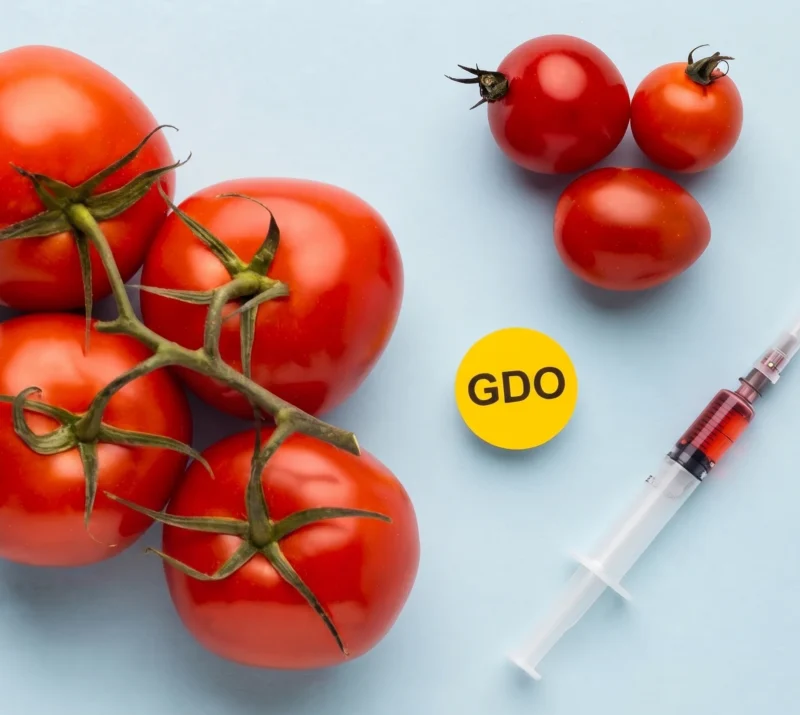

Raw Material GMO Control
Ensuring full compliance with bio‑security legislation in feed and food production, managing supply‑chain risks at an early stage and protecting brand reputation is one of the steps of raw material GMO control. Scientific monitoring of agricultural inputs (especially raw materials derived from soy, corn, rapeseed, cotton and sugar beet) before they are accepted onto the production line prevents unauthorized GMO use, unexpected contaminations and costly product recall processes.
Within food and feed safety regulations and international trade rules, companies must verify the GMO status of the raw materials they use with official analysis reports. Our laboratory supports your raw material GMO control processes with fast, reliable and traceable data using high‑sensitivity molecular biology infrastructure and Real‑Time PCR protocols that meet international standards.
Why Raw Material GMO Control Is Important?
Systematic GMO analysis of inputs entering production gives your company vital advantages:
- Pre‑production Risk Prevention: By preventing GMO‑containing or non‑compliant raw material from entering the production line, you avoid contamination of the entire final product batch and the costs of disposal/recall.
- Legal Regulation and Bio‑security Compliance: Guarantees compliance with legal regulations concerning the use of GMO‑free food products and the use of authorized GMO lines within defined limits in feed products.
- Supplier Verification and Contract Assurance: Ensures that suppliers’ “Non‑GMO” declarations and certificates are confirmed by actual sample analyses; bases supplier performance on objective data.
- Strong Evidence for Export and Customer Audits: Completes raw‑material risk‑assessment and verification records with official reports required by overseas buyers and international food safety standards (BRCGS, IFS, FSSC 22000, etc.).
How Is Raw Material GMO Control Performed?
In our laboratory a step‑by‑step and systematic analysis approach is applied according to molecular biology quality standards (ISO 21569, ISO 21571, etc.):
| Control Stage | Performed Analyses | Scientific Data Provided |
|---|---|---|
| 1. Plant‑Specific Gene Control | Endogenous gene screenings specific to soy, corn, rapeseed, cotton, etc. | Confirms the presence of target plant DNA in the sample and its suitability for PCR amplification. |
| 2. General GMO Screening Panel | Screenings for p35S, tNOS and pFMV regulatory elements | Provides a rapid preliminary assessment of GMO presence by detecting promoter and terminator sequences commonly found in transgenic constructs. |
| 3. Event‑Specific Identification | Real‑Time PCR for events such as MON810, NK603, GTS 40‑3‑2, MON89788, etc. | Identifies which specific GMO line is present in samples that tested positive in the screening, allowing distinction between authorized and unauthorized GMOs. |
| 4. Quantitative (Amount) Determination | Quantitative Real‑Time PCR for the relevant GMO line | Determines the percentage of the detected GMO line in the product (e.g., %0.9 for labeling thresholds, etc.). |
Which Raw Material Groups Are Subject to GMO Control?
With our advanced molecular biology infrastructure we serve a wide range of inputs used in the food and feed sectors:
- Soy beans, soy flour, soy protein, soy lecithin and soy meal
- Corn kernels, corn flour, corn grits, starch and glucose/fructose syrups
- Rapeseed (canola) seed, rapeseed meal and vegetable‑oil raw materials
- Cottonseed, cotton flour, and cottonseed meal
- Cereal blends, bakery/pastry premixes and additives
- Mixed feed ingredients, brans, DDGS and feed carrier components
- Unpackaged or packaged agricultural inputs covered by import and export regulations
Secure your production processes against GMO risks, strengthen your supplier verification with scientific data, and contact our expert team to receive a detailed quote for our raw material GMO control service.