Inter-Batch Quality Monitoring in Foods
The fundamental basis of trust in a brand and commercial sustainability in food production is that each new production batch maintains the same quality, safety, and composition standard as the previous one. Inter-batch quality monitoring in foods is the process of monitoring recipe consistency, process stability, and compliance with legal regulations through scientific data by analyzing samples taken from different production batches (lot/batch) at regular intervals.
Even minor deviations in raw material fluctuations, seasonal changes, environmental conditions, or line settings can create differences between batches. Equipped with an analytical infrastructure complying with international standards, our laboratory guarantees your production quality by offering reliable, comparable, and traceable data in your inter-batch quality monitoring processes.
Why Is Inter-Batch Quality Monitoring Important?
Systematically analyzing production batches provides your business with strong gains both operationally and commercially:
- Product Standardization and Consumer Satisfaction: It is natural for consumers to expect the same taste, texture, appearance, and nutritional value every time they purchase a product. Batch-based tracking protects brand perception by catching quality deviations early.
- Continuous Verification of Label Claims: Ensures that the nutritional value and quality claims on the packaging remain consistent not just with a single batch, but with all production batches offered to the market.
- Early Detection of Process Deviations: Helps detect deviations in fermentation, drying, heat treatment, refining, or mixing stages before they grow and ensures corrective actions are taken swiftly.
- Shelf Life and Storage Consistency: Supports shelf-life performance remaining predictable in every batch thanks to the monitoring of moisture, water activity, acidity, pH, or oxidation differences between batches.
- Compliance with Regulations, Audits, and Customer Specifications: Provides traceability with batch-specific analysis records during official audits and corporate/export customer quality assessments.
Prominent Parameters in Inter-Batch Monitoring Programs
Parameters to be monitored are customized according to the product group, critical quality points, and regulatory requirements:
| Product / Process Focus | Key Parameters Monitored | Monitored Quality Dimension |
|---|---|---|
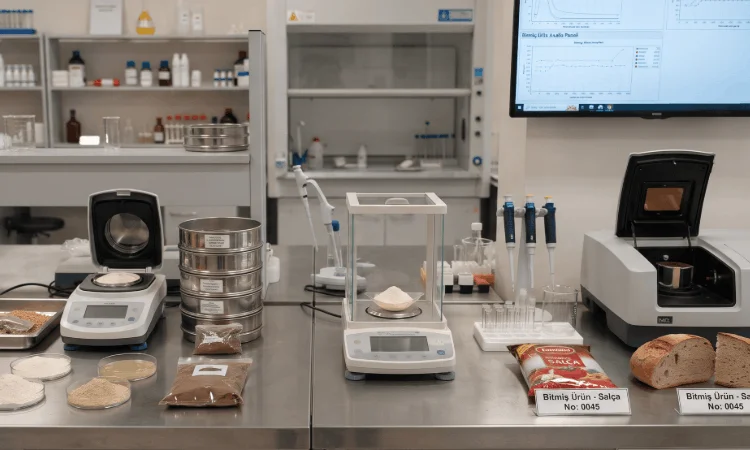
| Macronutrient and Label Balance | Protein, total fat, saturated fat, carbohydrate calculation, total sugars, dietary fiber, sodium/salt calculation, energy value | Recipe consistency and batch-based accuracy of the nutrition facts table |
| Physicochemical and Shelf-Life Stability | Moisture, water activity (aw), pH, acidity determination, ash content | Microbiological durability, texture/consistency stability, and process control |
| Fat Quality and Freshness | Free fatty acids (FFA), peroxide value | Monitoring of hydrolytic and oxidative degradation tendency between batches |
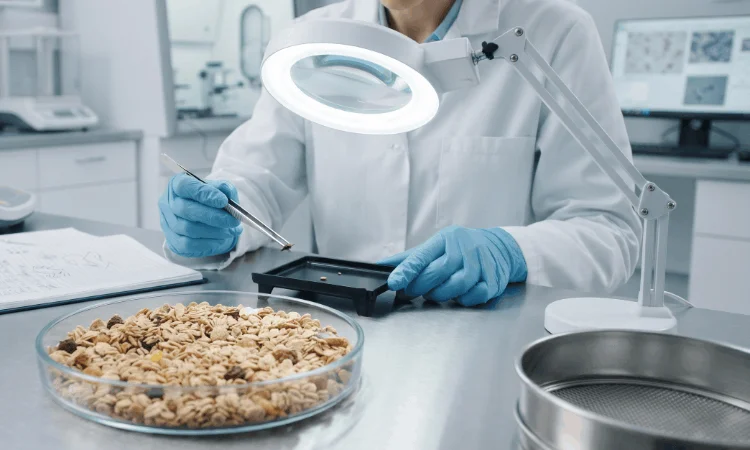
| Purity and Sensory Consistency | Foreign matter determination, sensory analysis | Standardization of taste, odor, and texture along with hygiene/purity continuity |
Which Product Groups Are Subject to Inter-Batch Monitoring?
We conduct regular batch monitoring programs across very diverse food and beverage categories with our advanced laboratory infrastructure:
- Milk, cheese, yogurt, butter, and milk powder products
- Vegetable oils and fats, olive oils, and margarines
- Flour, bread, biscuits, cakes, chocolate, confectionery, and bakery products
- Tomato paste, sauces, jams, honey, molasses, fruit juices, and beverages
- Grains, pulses, nuts, spices, and dried fruits
- Meat and processed meat products, fermented foods, and ready-to-eat meals
- Sports nutrition, dietary supplements, and products for special nutritional purposes
Frequently Asked Questions
Should inter-batch quality monitoring be performed on every production batch or periodically?
This is determined according to the critical risk level of the product, production volume, and the requirements of your quality management system. Regular monitoring can be applied to every batch for high-risk or critical specification products; and at designated production periods or upon raw material/supplier changes for more stable processes.
Why should an analysis be performed when a new raw material batch or a different supplier is used?
Raw materials coming from different harvests, origins, or processing conditions may show variations in properties such as moisture, fat/protein ratio, acidity, or oxidation level. It is recommended to perform checks on new raw material batches to observe the reflection of these changes on the final product early.
To ensure standard quality and regulatory compliance continuously in your production batches, you can contact our expert team to receive a detailed quote regarding our inter-batch quality monitoring in foods service.