Detection of E. coli O157 in Foods
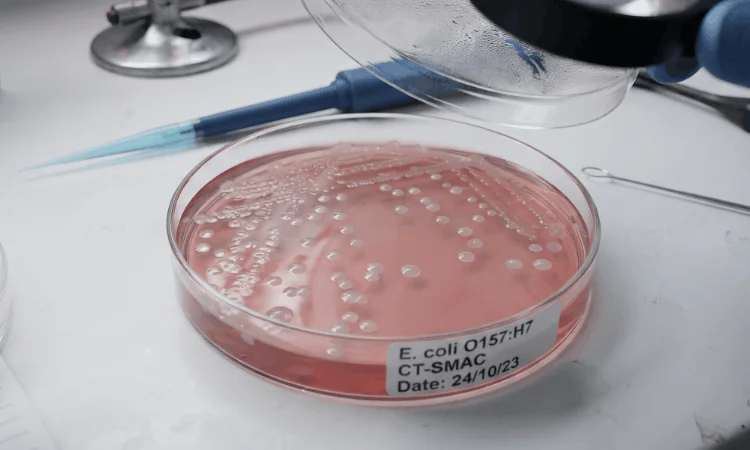
With a very low infectious dose (only 10–100 bacterial cells), Escherichia coli O157, which can cause severe clinical conditions such as hemorrhagic colitis and Hemolytic Uremic Syndrome (HUS)—leading to kidney failure especially in children and the elderly—is one of the pathogens evaluated under the scope of “zero tolerance” in food microbiology. Testing for E. coli O157 in foods is an advanced qualitative detection analysis conducted to prevent this enterohemorrhagic serogroup (and related E. coli O157:H7 strains), which may be missed in standard E. coli counts, from leaking into the food chain.
Within the scope of international food safety standards, particularly the Turkish Food Codex Regulation on Microbiological Criteria, the presence of E. coli O157 is meticulously inspected in raw-consumed fruits and vegetables, sprouted seeds, products made from raw milk, meat and meat products, and drinking/process water.
Which Critical Risks Does It Prevent in Animal and Plant Lines?
E, which can be carried in the intestinal flora of animals such as cattle and sheep without showing any signs of disease. Coli O157 can be transmitted to both animal and plant products through slaughterhouse hygiene or agricultural irrigation water:
- Safety Approval for Minced Meat, Meatballs, and Undercooked Meat Products: It keeps under pre-market control the risk of pathogens that may contaminate the carcass surface during slaughter and butchering mixing into the inner parts of minced meat and ready-to-cook meat mixtures.
- Inspection of Freshly Cut Vegetables, Salad, and Sprouted Seeds: It inspects greens consumed directly without heat treatment for contamination risks originating from irrigation water or fertilizer with a zero-tolerance principle.
- Validation in raw milk, cheese and unpasteurized fruit juices: e, which can show extraordinary resistance to acidic environments. It proves with scientific data that coli O157 strains are not found in apple juice, raw milk and fresh cheeses.
- Preparation for Export and Global Retail Audits: Provides pathogen safety documents requested by international food chains and foreign markets through accredited analysis report.
Priority Evaluated Product and Sample Groups
- Red meat, minced meat, meatballs, burger patties, sausage and raw/undercooked meat products
- Raw milk, cheese varieties produced from raw milk and dairy products
- Washed, sliced ready-to-eat salads, greens and sprouted seeds
- Unpasteurized fruit juices and beverage raw materials
- Production line surface swabs, slaughterhouse equipment and process/irrigation water
You can contact our laboratory to document the enterohemorrhagic pathogen safety of your products in international reference standards, and to get detailed information and quotes about our Searching for E. Coli O157 in Foods.