Search for Horse DNA
In terms of preventing unregistered cuts and illegal species substitutions in the meat supply chain, protecting public health and establishing consumer confidence, search for horse DNA is one of the forensic and routine molecular analyses of food control laboratories. According to the current national food code regulations and ethical consumption principles, no product presented with a declaration of livestock meat may contain any single‑hooved animal meat.
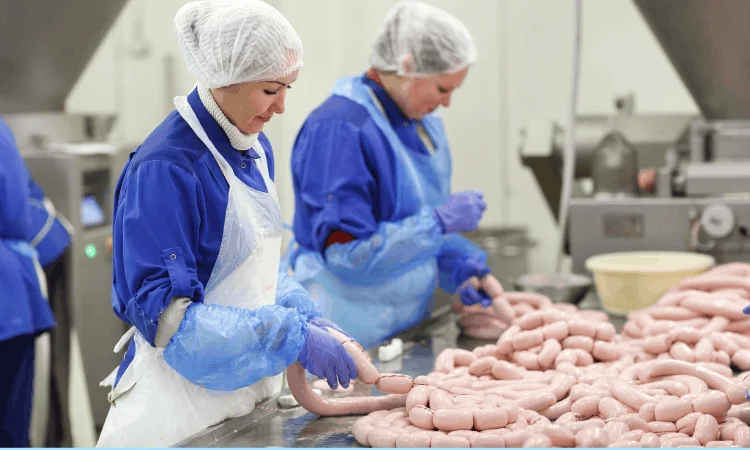
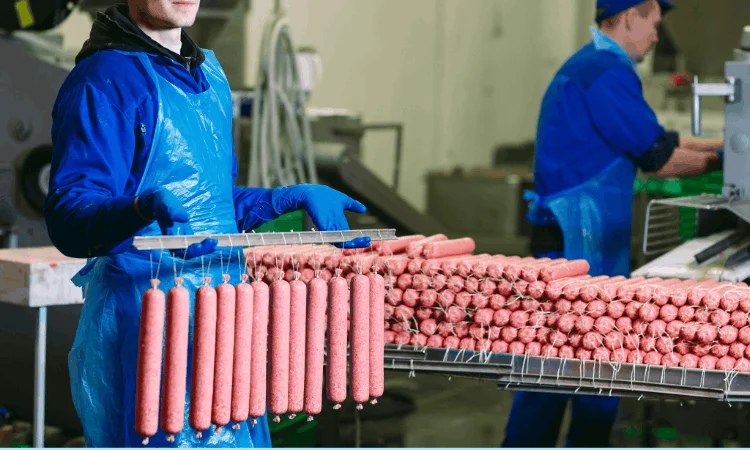
Especially in multi‑ingredient meat mixtures (minced meat, meatballs, sausage, salami, frankfurters, roasted meat and ready‑to‑cook döner blocks) visual or sensory examination cannot differentiate species. Thanks to search for horse DNA, our laboratory can definitively reveal even the lowest levels of single‑hooved meat mixtures, protecting businesses from commercial and legal risks.
Why Is Single‑Hooved Species Identification Required for Businesses?
For meat processing plants, bulk‑food producers, hotel/restaurant chains and retail brands, horse DNA screening is a critical internal audit mechanism:
- Supply Chain Assurance: Enables companies that do contract manufacturing or purchase carcasses, meat cuts and minced meat from outside to reduce possible cross‑contamination risks to zero during raw material acceptance.
- Protection from Official Inspections and Disclosure Risks: Findings of single‑hooved meat that can be identified in ministry inspections lead not only to heavy administrative penalties but also to irreparable brand reputation losses; regular laboratory controls eliminate this risk.
- Halal Food and Label Compliance: Allows the product formula and the “%100 beef/lamb meat” statements on the packaging to be supported by a scientific analysis report.
- Export and Corporate Audit Criteria: Completes, without omission, the raw‑material authenticity verification records required by overseas buyers and international food safety standards (BRCGS, IFS, etc.).
Main Product Groups Included in the Analysis Scope
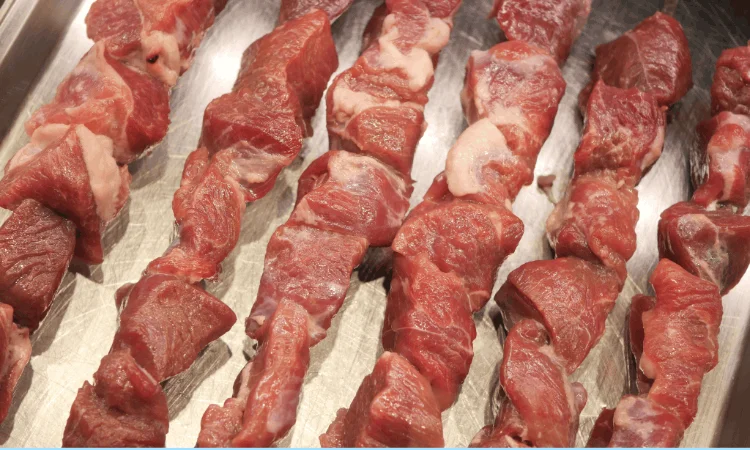
- Raw red meat, meat cuts, minced meat and prepared red‑meat blends
- Fermented and heat‑treated charcuterie products (sausage, salami, frankfurters, pastirma, roasted meat)
- Cooked and frozen ready‑to‑eat meat products (meatballs, burger patties, döner, lahmacun/pide fillings)
- Canned meats, meat‑stock tablets, bouillons and ready meals
- Animal‑origin gelatin and protein hydrolysates
Does the horse DNA test also detect donkey meat?
The scope of analysis can be customized according to the selected kit and primer design. In addition to specific tests directly targeting Equus caballus (horse), “single‑hooved (Equidae) joint screening” protocols that simultaneously scan horse and donkey (Equus asinus) species can be applied as needed.
You can contact our expert team to validate the reliability of meat raw materials in your supply chain with scientific data and to submit a search for horse DNA analysis request.