
Enumeration of Sulphite-Reducing Anaerobic Bacteria in Foods
The measurement of microorganisms that can grow in oxygen-free (anaerobic) environments and form a characteristic black precipitate in the culture medium by reducing sulfite to sulfide is an indicator of quality and safety, particularly in vacuum-packaged foods, modified atmosphere packaged (MAP) products, meat and poultry products, and heat-treated canned goods. Enumeration of sulfite-reducing anaerobic bacteria in foods highlights both the risk of spoilage and the presence of potential anaerobic pathogens by determining the level of bacteria capable of multiplying and forming spores in oxygen-free conditions, primarily Clostridium species.
In food safety management systems and related microbiological evaluation criteria, monitoring sulfite-reducing anaerobes is an important control point in meats stored under vacuum/anaerobic conditions, spices, dried foods, canned goods, and ready-to-eat meals.
Which Risks Does Sulfite-Reducing Anaerobe Analysis Manage?
Monitoring this parameter in packaging and processing technologies where oxygen is restricted or eliminated provides significant guarantees to businesses:
- Safety Monitoring in Vacuum and MAP Packaged Products: Controls anaerobic bacterial growth and the risk of swelling/spoilage in products kept in oxygen-barrier packaging or under a modified atmosphere.
- Spore Control in Meat, Poultry, and Spice Raw Materials: Objectively reveals the level of soil- and intestine-derived spore-forming bacteria transmitted to the product from raw material sources.
- Heat Treatment and Canned Food Stability: Helps evaluate whether the heat treatment efficacy and storage temperature discipline are maintained in foods kept in low-acid or oxygen-free environments.
- Preparation for Supplier and Export Audits: Ensures that the anaerobic hygiene and reliability records requested by corporate buyers and foreign markets are supported by scientific reports.
Main Product and Sample Groups Subject to Analysis
- Vacuum or MAP packaged red meat, poultry, charcuterie and seafood
- Canned foods, ready meals, sauces and meat/vegetable mixes
- Spices, dried herbs, flour, starch and cereal products
- Dairy products, powdered foods and special nutrition products
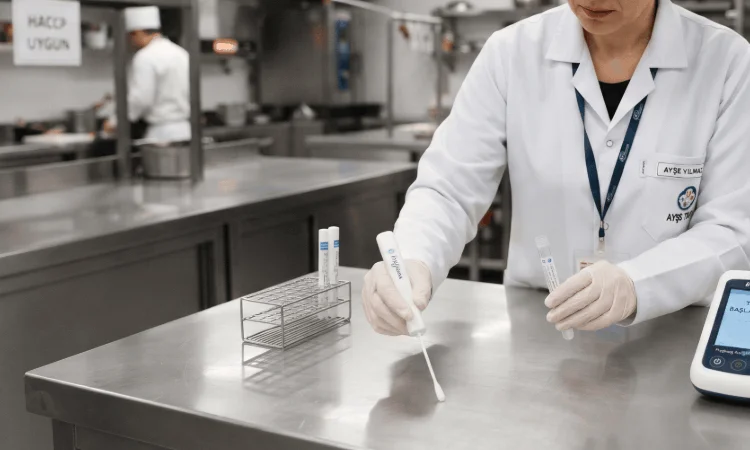
- Production line surface swabs and process control samples
Frequently Asked Questions
Does sulfite-reducing anaerobic bacteria count directly mean Clostridium botulinum?
No. Sulfite-reducing anaerobes are a general group that encompasses many species of the Clostridium genus (for example, Clostridium perfringens or saprophytic clostridia) and other anaerobic bacteria capable of reducing sulfite. Different test protocols specific to the relevant standards are applied for the detection of specific toxigenic species such as Clostridium botulinum or for the separate enumeration of Clostridium perfringens.
What does the appearance of a black colony during incubation indicate?
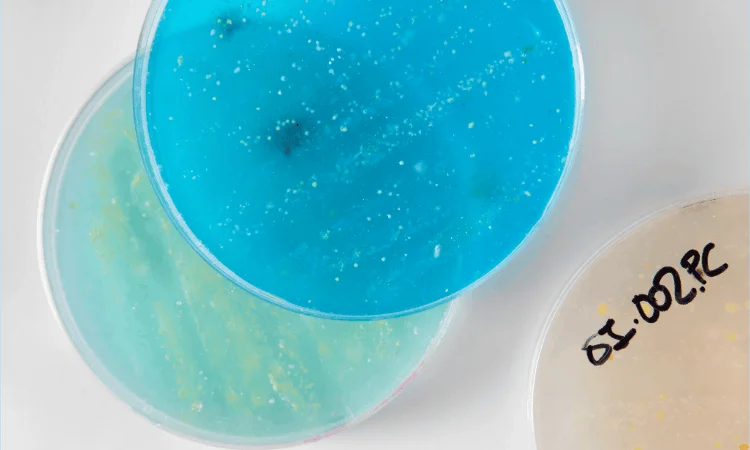
It indicates that the bacterium reduces sulfite to sulfide, which reacts with iron ions in the culture medium to form a black iron sulfide precipitate. During counting, only typical black colonies exhibiting the sulfite reduction reaction are considered.
To verify the anaerobic bacterial load in your vacuumed, heat-treated, or dry foods with scientific data, you can contact our laboratory to receive a detailed quote regarding our sulfit-reducing anaerobic bacteria enumeration in foods service.