Propineb Determination in Foods
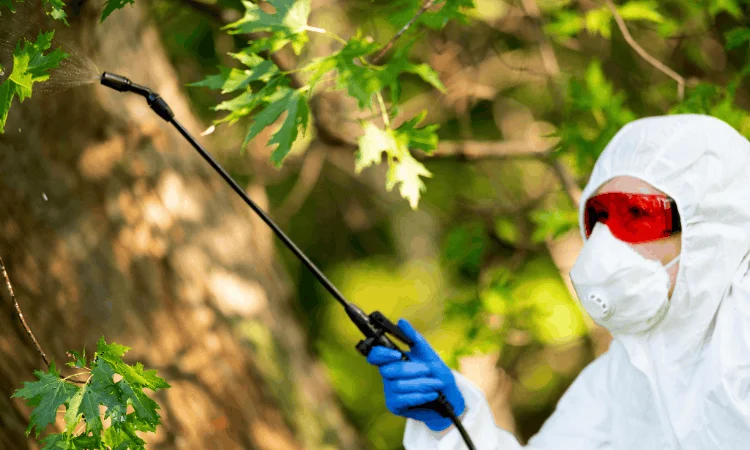
In garden and field crops such as apple, grapes, tomato, pepper, potato and citrus, a protective fungicide used to combat fungal diseases (mildew, black spot, early blight, etc.) called propineb with a polymeric zinc‑propylene‑bis(dithiocarbamate) structure. Because of its very low water solubility and polymeric structure it cannot be directly detected in classic multi‑residue (QuEChERS) screenings, requiring both special extraction/partitioning approaches and instrumental techniques with high selectivity for gıdalarda propineb tayini.
Turkish Food Codex Pesticide Maximum Residue Limits Regulation and European Union (EC) 396/2005 provisions subject the dithiocarbamate group residues (mostly CS2 — carbon disulfide equivalent or propineb‑specific propylendiamine / metabolite‑based identifications) to strict maximum residue limits (MRL). Especially in fresh fruit‑vegetable export, it is one of the closely monitored residue topics at border control points and retail chain inspections.
Which Risks to Prioritize in the Agricultural Production and Export Chain?
Because dithiocarbamate group fungicides have a high tendency to adhere to plant surfaces, non‑compliance with pre‑harvest intervals (PHI) or multiple spray programs can increase residue risk:
| Assessment Area | Field Risk | Assurance Provided by the Analysis |
|---|---|---|
| Export and Border Controls | Customs rejection / RASFF notification due to MRL exceedance in the EU and target markets | Demonstrates the product batch’s compliance with target country limits before shipment |
| Group vs. molecule differentiation | Inability of the total dithiocarbamate (CS2) test to differentiate between different active ingredients | Clarifies the propineb‑specific residue profile to prevent erroneous assessments |
| Pre‑harvest interval | Insufficient interval between last spray and harvest | Verifies that field and greenhouse products are safe for market release |
| Acceptance of raw material and processed product | Residue transfer in tomato paste, fruit juice concentrate and frozen vegetable inputs | Supports processing plant supplier acceptance criteria with scientific data |
Which Product Groups Are Prioritized for Review?
- Fresh fruits (grapes, apple, pear, peach, cherry, strawberry, citrus)
- Vegetables (tomato, pepper, cucumber, potato, onion, lettuce and leafy vegetables)
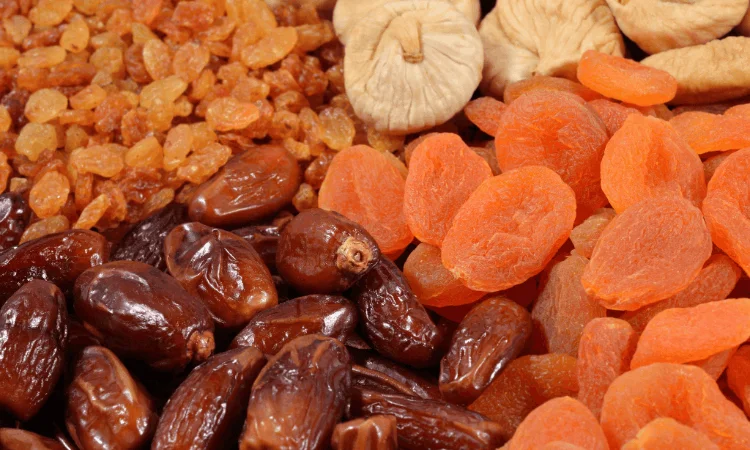
- Dried fruits (dried grapes, dried apricot, dried fig) and nuts
- Tomato paste, fruit juice concentrates, purees and frozen vegetable‑fruits
- Cereals, legumes and spice/medicinal‑aromatic plant raw materials
You can submit your request for a gıdalarda propineb tayini analysis to our laboratory to verify the pesticide residue safety of your fresh and processed agricultural products against international MRL criteria with scientific data.