Determination of Aflatoxin G1 in Foods
Under UV light, emitting a green‑yellow (Green) fluorescence, Aflatoxin G1, produced by fungi such as Aspergillus parasiticus, is an important mycotoxin that appears during the metabolism of aflatoxin‑producing molds and carries a lactone ring instead of a cyclopentenone ring. In terms of toxicity strength, Aflatoxin G1 ranks second after Aflatoxin B1 and, because of its carcinogenic/mutagenic potential and resistance to heat processing, it is taken seriously in food safety inspections. Determination of aflatoxin G1 in foods is carried out especially for agricultural products where G‑series toxins are more evident, to fully reveal the total toxin load and to document compliance with legal limits.
According to the Turkish Food Codex Contaminants Regulation and European Union (EU) 2023/915 provisions, limits for Total Aflatoxin (B1 + B2 + G1 + G2) are applied to nuts, dried fruits, spices, cereals and oil seeds, and the G1 fraction constitutes a critical component of this total. Especially in contaminations originating from A. parasiticus, the presence of G1 in addition to B1 and B2 clearly shows situations where measuring B1 alone may be insufficient.
Why Monitoring G‑Group Toxins Provides a Critical Advantage?
Detecting Aflatoxin G1 separately and sensitively at the laboratory level provides protection in the food supply chain at these critical points:
- Early Detection of Total Aflatoxin Limit Exceedances: Clarifies whether the total value, with G1 contribution, exceeds the regulatory upper limit in batches where B1 levels hover at the limit.
- Assurance in Export and Border‑Gate Controls: Reduces customs delays and rejection risk by providing the full aflatoxin profile requested by overseas buyers and border inspection units.
- Acceptance and Blending Decisions for Raw‑Material Lots: Provides scientific basis for separating low‑risk and high‑risk batches in nut, spice or dried‑fruit purchases.
- Consumer Health and Brand Reliability: Keeps the risk of heat‑resistant mycotoxin residues appearing in the final product under control before shipment.
Which Product Groups Are Frequently Analyzed?
- Peanuts, pistachios, hazelnuts, almonds, walnuts and mixed nuts
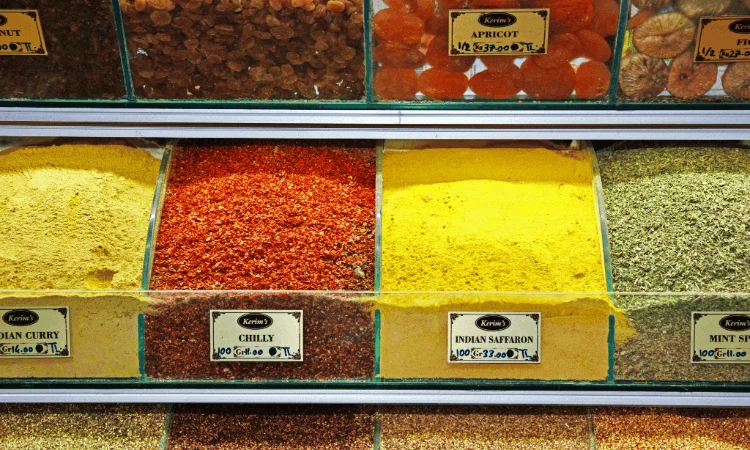
- Dried figs, dried grapes, dried apricots and other dried fruits
- Red pepper, black pepper, turmeric, cumin and dried spice/plant blends
- Corn, rice, wheat, barley and cereal‑based products
- Oil seeds, cocoa beans/products and coffee samples
You can submit your request for determination of aflatoxin G1 in foods to our laboratory to verify the aflatoxin G1 and total aflatoxin levels of your product and raw‑material batches against regulatory limits with scientific data.