Determination of Ochratoxin A in Foods
Primarily Aspergillus ochraceus, Aspergillus carbonarius and Penicillium verrucosum synthesize Ochratoxin A (OTA), a resistant mycotoxin that accumulates in kidney tissue causing serious nephrotoxic effects, and also possesses immunotoxic and potential carcinogenic (IARC Group 2B) properties. Because it is not fully broken down at standard production temperatures such as coffee roasting, grain cooking, dried fruit processing and spice grinding, contamination formed at the raw material stage is transferred directly to the final product. Determination of Ochratoxin A in foods detects residues at µg/kg (ppb) levels across a wide range of products, ensuring consumer safety and regulatory compliance.
Within the Turkish Food Codex Contaminants Regulation and European Union (EU) 2023/915 contaminant provisions; category‑specific maximum limits are applied to coffee and soluble coffee, dried fruit and dried fruits, spices, cereals and flour products, cocoa products, malt root, wine/fruit juice and baby and young child foods.
Which Risks Should Be Prioritized in the Food and Beverage Supply Chain?
Ochratoxin A, which can develop in products grown in different climate zones and transported over long sea/land logistics due to moisture fluctuations, is a critical control point especially in import‑export and raw material acceptance processes:
| Control Area | Field Risk | Assurance Provided by the Analysis |
|---|---|---|
| Export and Border Controls | EU/target market threshold limits in shipments of dried grapes, dried figs and spices | Reduces customs risk by documenting batch compliance with accredited data before shipment |
| Coffee and cocoa roasting lines | Resistance of OTA residues from green bean storage conditions to roasting | Demonstrates that roasted and soluble coffee and cocoa products remain within legal limits |
| Grain silos and milling | Cool/moist stored grains Penicillium source contamination | Verifies safe raw material usage in flour, bulgur, breakfast cereals and bakery products |
| Baby and child foods | Extremely narrow limits such as 0,50 µg/kg applied to grain-based complementary foods | Ensures that products for the sensitive consumer group do not exceed the legal equivalent |
Priority Evaluated Product and Sample Groups
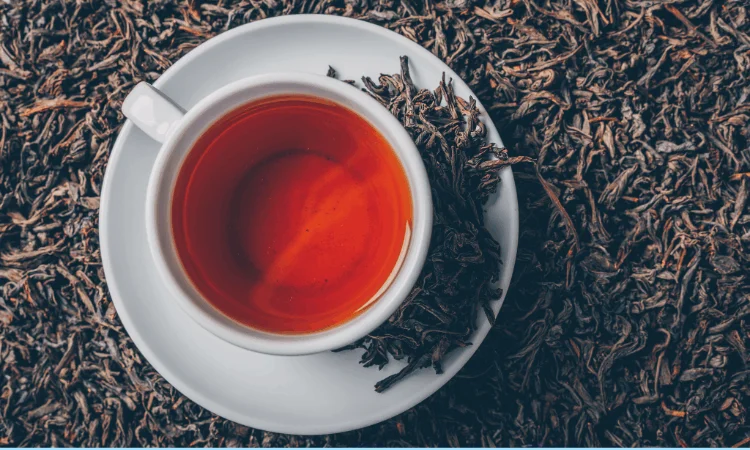
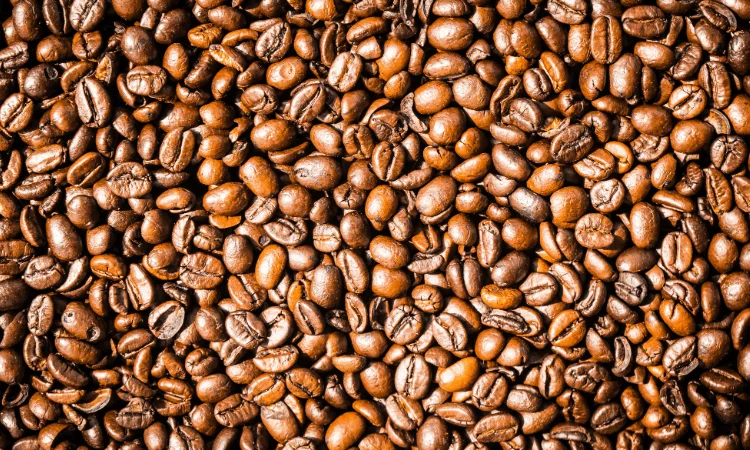
- Green coffee bean, roasted ground/whole bean coffee and soluble (instant) coffee
- Dried grapes (sultana etc.), dried figs, dried apricots and other dried fruits
- Red powder/powdered pepper, black pepper, ginger, turmeric, nutmeg and mixed spices
- Wheat, barley, corn, rye, oats, flour and grain‑based bakery/breakfast products
- Cocoa powder, chocolate, grape juice, wine, malt root products and baby complementary foods
You can submit your request for determination of Ochratoxin A in foods analysis to our laboratory to scientifically verify the Ochratoxin A level of your coffee, dried fruit, spice and grain products against current regulatory limits.