Determination of Aflatoxin G2 in Foods
Under UV light, the “G” group of mycotoxins that emit a greenish fluorescence and structurally represent the dihydro derivative of Aflatoxin G1, such as Aflatoxin G2 and Aspergillus parasiticus, is a stable compound produced as a secondary metabolite of aflatoxin‑producing molds. Although its toxicity alone is not as high as Aflatoxin B1 or G1, it contributes to the assessment of the regulatory Total Aflatoxin (B1 + B2 + G1 + G2) limit because it resists heat processing and can be present together with other aflatoxin derivatives in food matrices. Determination of Aflatoxin G2 in foods especially in product batches close to the limit value ensures the complete calculation of the total toxin load, providing a solid basis for commercial and legal decisions.
Within the Turkish Food Codex Contaminants Regulation and the European Union (EU) 2023/915 contaminant limits, the sum of the four main aflatoxin fractions is binding for nuts, dried fruits, spices, oilseeds and cereals. Therefore, extracting a full fraction profile that includes G2 as well as focusing only on B1 during the analysis clearly demonstrates that the batch remains within the regulatory limits.
Which Operational Risks Are Suggested in the Total Aflatoxin Calculation?
Measuring Aflatoxin G2 plays a critical role, especially in export and raw material acceptance processes, for the correct interpretation of “borderline” batches:
| Control Point | Encountered Risk | Contribution Provided by the Analysis |
| Cumulative (Total) limit calculation | Exceeding the total limit with contributions from B2, G1 and G2 while B1 alone is below the limit | Ensures that the batch acceptance/rejection decision is made according to the total aflatoxin rule in the regulations |
| Export and border inspections | Full profile request in overseas customs and buyer inspections | Reduces the risk of rejection in shipments of hazelnuts, pistachios, dried figs and spices |
| Raw material and stock management | Contamination risk in warehouses experiencing humidity/temperature fluctuations | Determines with scientific data which lots will be taken into production or segregated |
| Processed product safety | Persistence of toxin residues after roasting, grinding or mixing | Shows the level of transfer of heat‑stable G2 residues to the final product |
Which Product Groups Are Prioritized for Review?
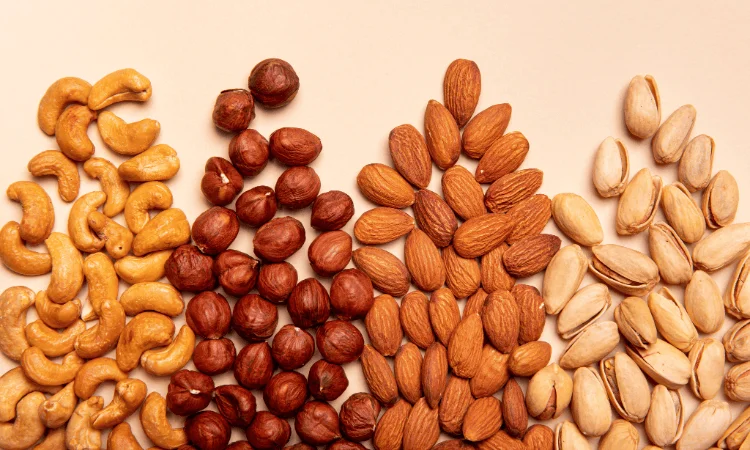
- Pistachios, peanuts, hazelnuts, almonds, walnuts and mixed nuts
- Dried figs, dried grapes, dried apricots and dried fruit products
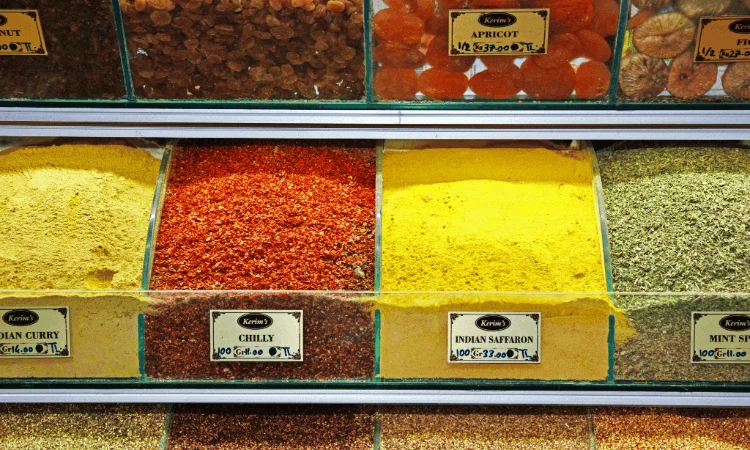
- Red powder/flour pepper, black pepper, turmeric, nutmeg and dried spices
- Corn, rice, wheat, flour and grain‑based foods
- Oilseeds, crude vegetable oils, coffee and cocoa products
You can submit your request for determination of aflatoxin G2 in foods analysis to our laboratory to verify the aflatoxin G2 and total aflatoxin levels of your raw material and final product batches against regulatory limits with scientific data.