Determination of Dioxins (PCDD) in Food
Industrial combustion processes, waste combustion plants, metallurgical activities, and the production of certain chlorinated chemicals as unwanted by-products Polychlorinated Dibenzo-P-dioxins (PCDD), is one of the permanent organic pollutants (POP) that is resistant to fragmentation in nature. 2,3,7,8 PCDDs (congeners) who enter the food chain from soil and water ecosystems due to their lipophilic (fat soluble) structures, especially in the fatty tissue of animals, in milk, eggs and fish. It is one of the groups that are critical for human health with its 7 toxic isomers carrying the atom. Determination of Dioxins (PCDD) in Foods, Femtogram/Picygram (pg/g It also detects the relics of the oil) level with high resolution mass spectrometry, ensuring consumer safety and international legislative compliance.
Within the scope of the Turkish Food Codex Regulations and the European Union (EU) 2023/915 Infected Regulations; Meat and meat products, fish and aquaculture, raw milk and dairy products, egg and egg products, animal/herbal fats and oils, and baby/little food Dioxins (PCDD/PCDF sum) as well as Dioxins + Dioxin-like PCBs World Health Organization toxic equivalence factors (who-teq), strict maximum limits are applied.
What critical risks does it prevent in the animal and fatty food chain?
Since more than 90% of people's dioxin exposure is through food (especially through foods containing animal fat), monitoring studies in the supply chain are decisive for both public health and exports:
| Control Area | Potential source of contamination | Protection Provided by the Analysis |
|---|---|---|
| Meat, milk and egg production | Bioaccumulation over contaminated pasture soil, roughage or feed oils | Proof that accumulation in the oil phase falls below the legal limits of WHO-TEQ |
| Fish and aquaculture | Persistent organic pollutants accumulated in marine and freshwater sediments | Confirms the compliance of farm and hunting products to domestic and EU export limits |
| Vegetable and animal fats | Drying/refining process disruptions or transport tank contaminations | Ensures compliance of oil parties with food and feed industry acceptance criteria |
| Baby and young child foods | Very low TEQ limits defined for the sensitive age group (0,1 pg WHO-TEQ/G) | Provides ultra trace safe production in dairy, meat and fish-based baby food |
Prioritized product and matrix groups
-
Red meat, poultry meat, offal, and processed meat products
-
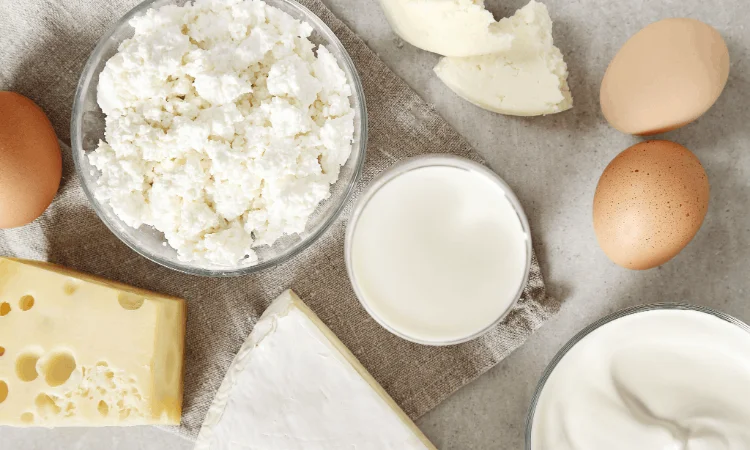
Raw milk, butter, cheese, cream, milk powder and other dairy products
-
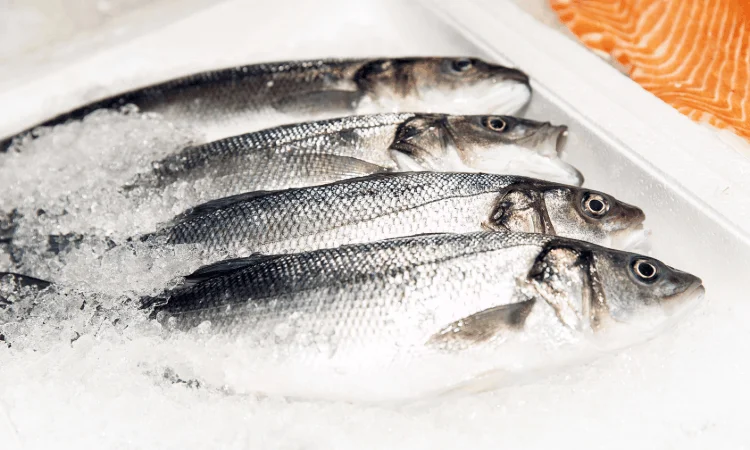
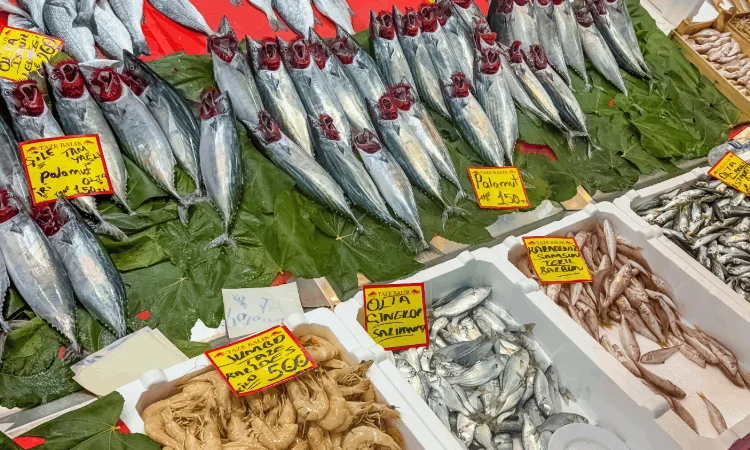
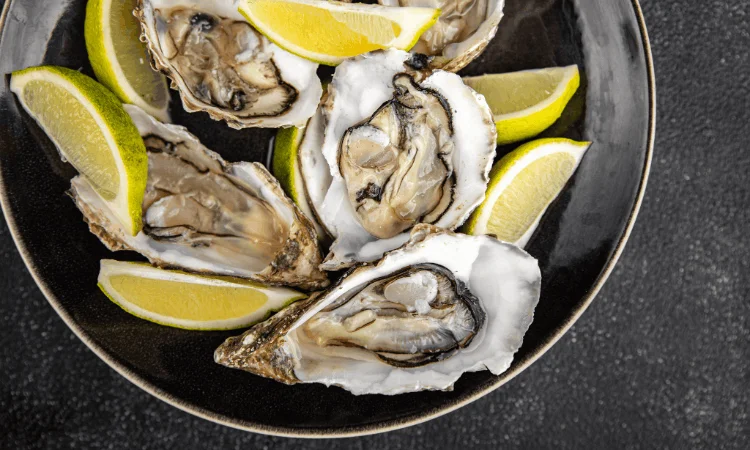
Sea and freshwater fish, shellfish and fish oils
-
Eggs and egg-based products
-
Herbal raw/refined oils, animal fats and baby/little food
Meat, To verify the dioxin (PCDD) level of your milk, fish, eggs and oil products with scientific data according to current legislation limits, you can send your analysis request to our laboratory Doxins (PCDD) in Foods.