Determination of Heavy Metals in Foods
Industrial emissions, mining activities, agricultural inputs, pollution in water resources, and processing/packaging equipment that can pass into foods heavy metals—primarily lead (Pb), cadmium (Cd), mercury (Hg) and arsenic (As) (along with trace elements such as tin [Sn] and nickel [Ni] in certain product groups)—are critical inorganic contaminants that can accumulate in biological systems and lead to chronic/acute toxic effects. These elements, which cannot be broken down by thermal processes or removed by evaporation, become persistent in the final food product when introduced at the soil, water, or raw material stage. Determination of heavy metals in foods, mg/kg\text{mg/kg}mg/kg (ppm) and μg/kg (ppb) measures metal residues at levels with high accuracy, ensuring both consumer health and legal and commercial compliance.
Within the scope of the Turkish Food Codex Regulation on Contaminants and European Union (EU) 2023/915 contaminant regulations; separate maximum limits are applied according to the element and food matrix for fish and fishery products, cereals and rice, vegetables and fruits, oilseeds and vegetable oils, mushrooms, chocolate/cocoa, salt, drinking/natural mineral waters, and foods for infants and young children.
What Critical Risks Does It Prevent in the Food and Supply Chain?
Heavy metal contaminations do not cause taste or odor changes and therefore can only be controlled through proper analytical monitoring:
- Reducing Rejection Risk in Export and Border Controls: It detects border exceedances caused by cadmium and mercury in crustaceans and shellfish, arsenic and cadmium in rice and grains, and lead and cadmium in vegetables, spices, and vegetable oils prior to shipment.
- Verification of Raw Materials and Agricultural/Water Inputs: Prevents the transfer of contaminations originating from irrigation water, soil, fertilizers, or imported raw material sources to the production line at an early stage.
- Near-Zero Safety in Baby and Sensitive Group Foods: Proves that extremely narrow lead, cadmium, and arsenic limits applicable to infant formulas, cereal-based complementary foods, and toddler snacks are met.
- Control of Process and Packaging-Related Transitions: It monitors secondary contaminations that may arise from tin/lead in canned metal cans, metal wear in grinding/blending lines, or packaging/environmental contact.
Priority Reviewed Product and Matrix Groups
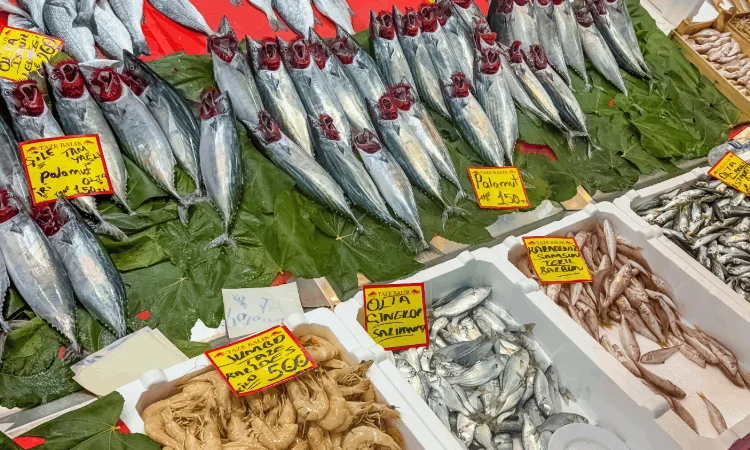
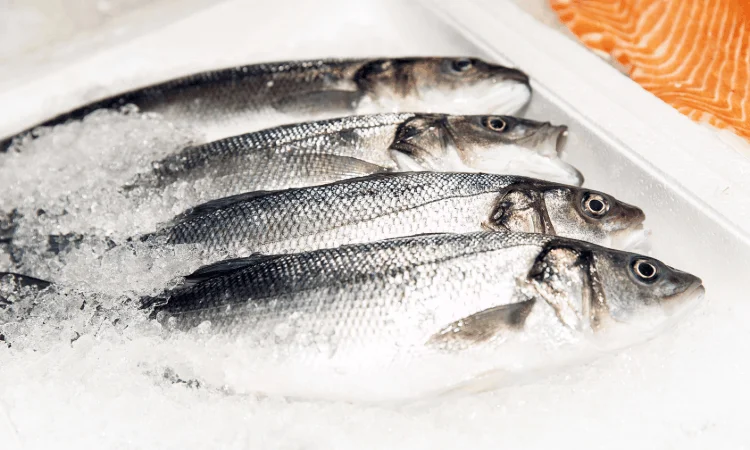
- Fish meat, aquaculture/wild-caught fishery products, crustaceans and molluscs
- Rice, wheat, corn, oats, flour, and grain-based products
- Leafy vegetables, root/tuber vegetables, fruits, legumes and edible mushrooms
- Spices, dried herbs, tea/herbal teas, cocoa and chocolate products
- Vegetable oils, milk and dairy products, honey, salt, drinking/spring waters and baby/infant foods
Gıda, su ve hammadde partilerinizin ağır metal düzeyini güncel mevzuat limitlerine göre bilimsel verilerle doğrulamak için gıda maddelerinde ağır metallerin tayini analiz talebinizi laboratuvarımıza iletebilirsiniz.