Determination of Fat-Soluble Vitamins in Foods
Due to their lipophilic structures, fat-soluble vitamins—which play a role in fundamental biological mechanisms such as Vitamin A (retinol and beta-carotene), Vitamin D (D2 ergocalciferol and D3 cholecalciferol), Vitamin E (alpha-, beta-, gamma-, delta-tocopherols and tocotrienols), and Vitamin K (K1 phylloquinone and K2 menaquinones)—are predominantly found in foods containing a fat phase. These compounds, which may undergo oxidation or isomerization depending on heat, light, oxygen, and storage duration, can vary in quantity throughout the production process and shelf life. Determination of fat-soluble vitamins in foods ensures the accuracy of label claims and formulation safety by revealing the natural or fortified vitamin profile of the product with precise analytical data.
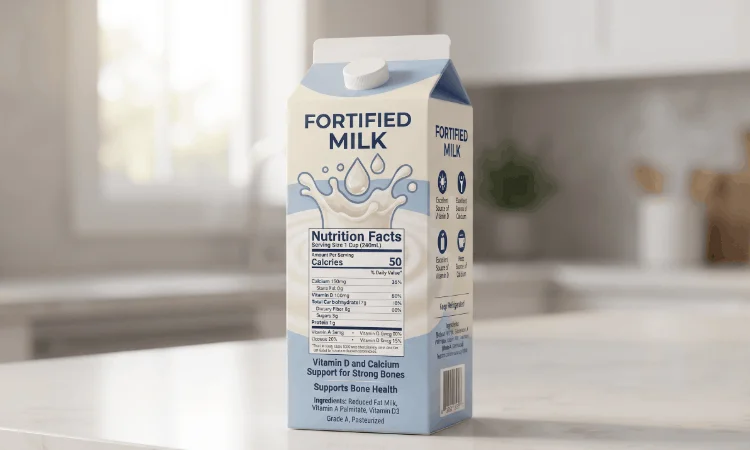
Especially in infant formulas, fortified milk and dairy products, margarines, vegetable oils, and dietary supplements, preventing both insufficient dosage and excessive dosage—due to the potential accumulation of fat-soluble vitamins in the body—is of great importance.
Which Risks Does It Prevent in Production, Labeling, and Shelf-Life Processes?
Regular measurement of fat-soluble vitamins provides food manufacturers with concrete assurance in quality control and product development steps:
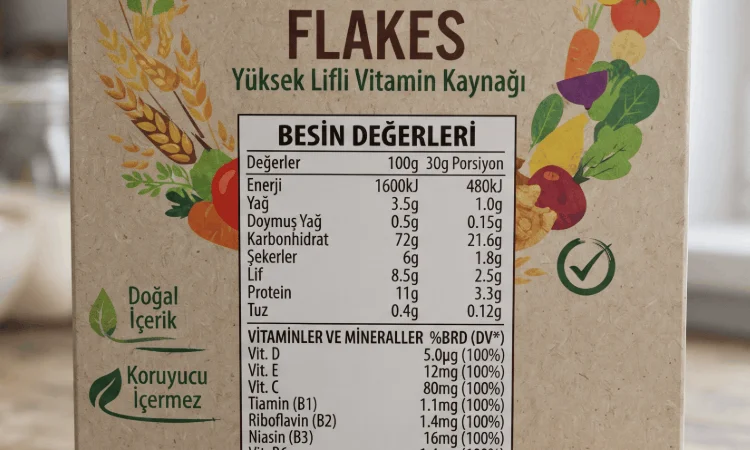
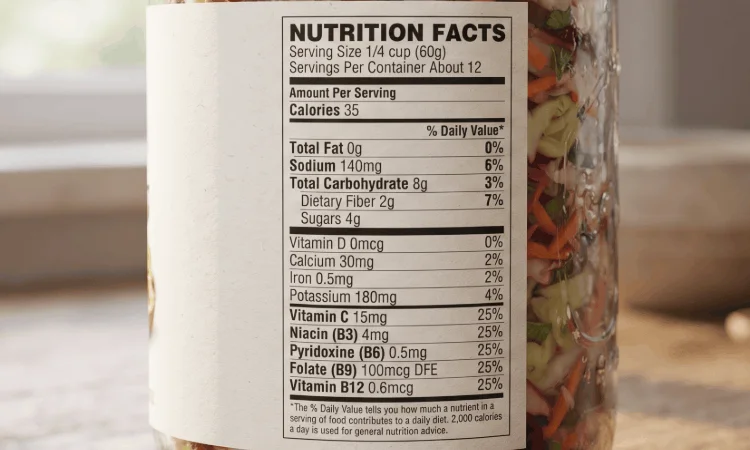
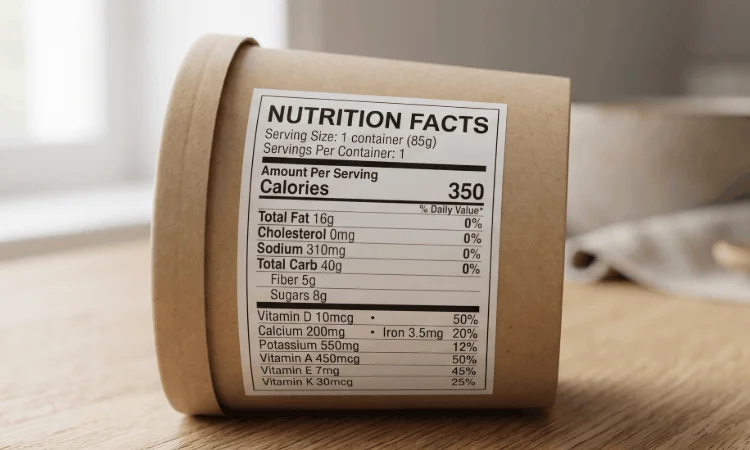
- Verification of Nutrition and Health Claims: Proves that the claims on the packaging such as "source of / high in vitamins A, D, E, or K" comply with actual measurement results.
- Control of Fortification and Blend Homogeneity: Confirms that vitamin premixes added to oil, milk, flour, or powder blends are evenly distributed throughout the batch and achieve the target dosage.
- Monitoring of Process and Shelf-Life Losses: Quantitatively tracks vitamin losses caused by oxidation or light exposure during pasteurization, UHT, drying, roasting, and shelf-life storage.
- Dosage Precision in Infant and Special Dietary Products: Ensures the maintenance of lower and upper limit ranges defined in infant formulas, follow-on formulas, and foods for medical/special purposes.
Priority Reviewed Product and Matrix Groups
- Milk, UHT/pasteurized milk, butter, cheese, cream, and various milk powders
- Sunflower, olive, corn, canola, and other vegetable oils, as well as margarines
- Infant formulas, follow-on formulas, and cereal-based baby/child complementary foods
- Dietary supplements (capsule, drop, softgel, powder, and liquid forms)
- Breakfast cereals, fortified bakery products, egg products, and fish oils
To reveal your products' fat-soluble vitamin profile and nutritional label accuracy with reliable laboratory data, you can submit your analysis request for determination of fat-soluble vitamins in foods to our laboratory.