Vitamin Content Analysis in Foods
Involved in many vital processes ranging from global energy production to immune functions, bone mineralization, and antioxidant protection, vitamins are essential micronutrients that must be obtained externally for the healthy functioning of human metabolism. Examined in two main groups according to their chemical solubility in foods as fat-soluble vitamins (A, D, E, K) and water-soluble vitamins (Vitamin C and vitamins B1, B2, B3, B5, B6, B7, B9, B12), these compounds exhibit varying levels of sensitivity to environmental factors such as harvesting, storage, thermal processing, light exposure, and oxidation. Vitamin content analysis in foods guarantees nutrition label accuracy, formulation safety, and shelf-life stability by determining the natural or fortified vitamin profile of raw and processed products with objective data.
Regular monitoring of the vitamin profile for food manufacturers not only demonstrates the nutritional value of the product; it also ensures the early-stage control of processing losses and premix dosage deviations on the production line.
Which Risks Does It Prevent in Production, Labeling, and Shelf-Life Processes?
Conducting vitamin analyses regularly prevents significant risks in terms of both legal compliance and commercial quality management:
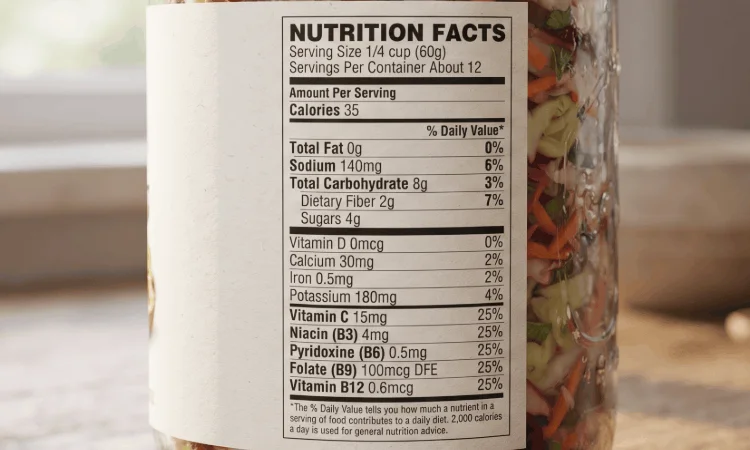
- Nutrition and Health Claim Deviations: Verifies with numerical data that the statements "source of vitamins" or "high in vitamins" on the label meet the established reference thresholds.
- Monitoring of Processing and Storage Losses: Makes vitamin degradation caused by heat, light, or oxygen visible during pasteurization, UHT, drying, roasting, cooking, and the shelf-life period.
- Fortification Homogeneity and Dosage Accuracy: Confirms that vitamin blends added to beverages, flour, breakfast cereals, dairy products, or dietary supplements are evenly distributed throughout the batch and reach the target amount.
- Safety in Infant and Special Dietary Products: Helps maintain the lower and upper vitamin limits that are critical in infant formulas, follow-on milks, and special-purpose dietary products.
Priority Reviewed Product and Matrix Groups
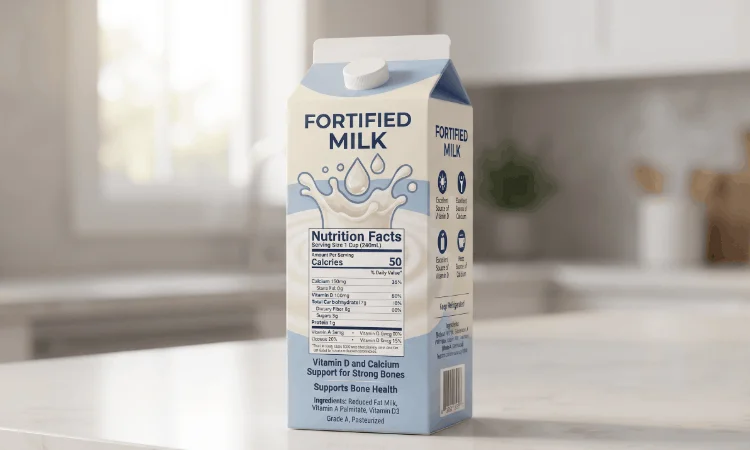
- Milk, UHT/pasteurized milk, yogurt, cheese, butter, and milk powder products
- Fruit juices, nectars, flavored beverages, sports drinks, and powdered drink mixes
- Vegetable oils, margarines, and fish oils
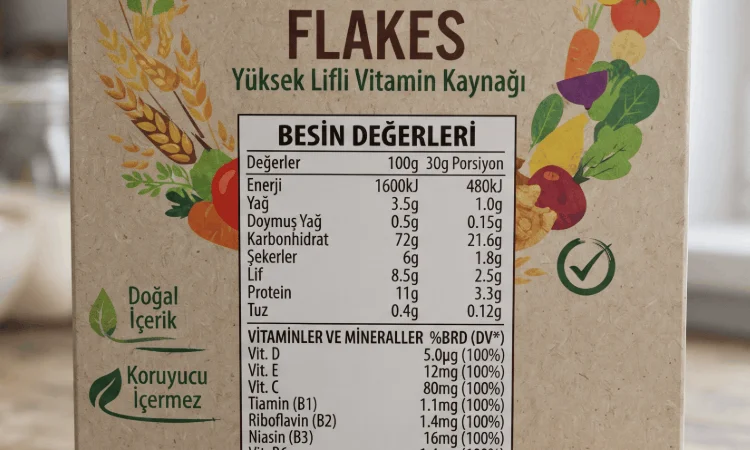
- Cereals, fortified flours, bread, and breakfast cereals
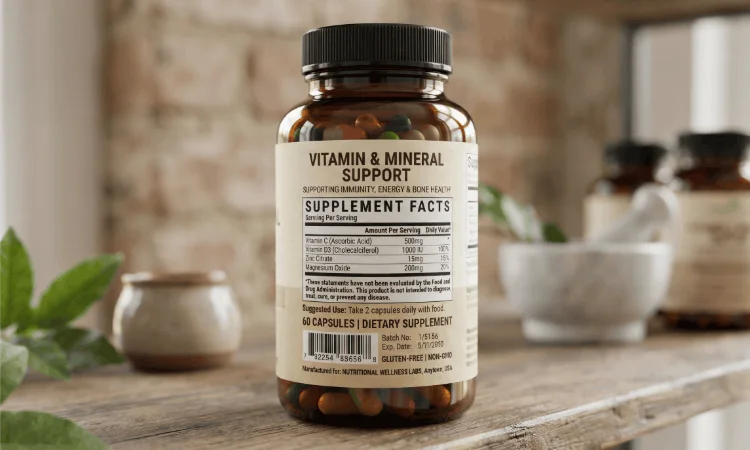
- Infant formulas, cereal-based infant/child complementary foods, and dietary supplements
You can submit your request for vitamin content analysis in foods to our laboratory to demonstrate your products' vitamin profile and nutrition label accuracy with reliable laboratory data.