Determination of Water-Soluble Vitamins in Foods
Assuming critical roles in energy metabolism, coenzyme activity, red blood cell production, nervous system function, and antioxidant/collagen synthesis, water-soluble vitamins—consisting of vitamin C (L-ascorbic acid and dehydroascorbic acid) and B-complex vitamins such as B1 (thiamin), B2 (riboflavin), B3 (niacin / nicotinamide and nicotinic acid), B5 (pantothenic acid), B6 (pyridoxine, pyridoxal, pyridoxamine), B7 (biotin), B9 (folic acid / folates), and B12 (cobalamin / cyanocobalamin)—dissolve in the aqueous phase of foods due to their hydrophilic structures and are stored in the body to a more limited extent compared to fat-soluble vitamins. The measurement of these vitamins, which can rapidly decrease during production and storage due to heat, light, oxygen, pH changes, and leaching into blanching/washing water, is a fundamental requirement for product quality and label accuracy. Determination of water-soluble vitamins in foods ensures nutritional claims, formulation control, and regulatory compliance by precisely quantifying the natural or fortified vitamin content of the product using advanced analytical methods.
Particularly in beverages, fortified cereal and dairy products, infant formulas, and dietary supplements, early detection of process losses and dosage deviations plays a directly decisive role in consumer trust and commercial reputation.
Which Risks Does It Prevent in Production, Labeling, and Shelf-Life Processes?
Regular monitoring of water-soluble vitamins prevents the following risks in the quality control processes of food and supplement manufacturers:
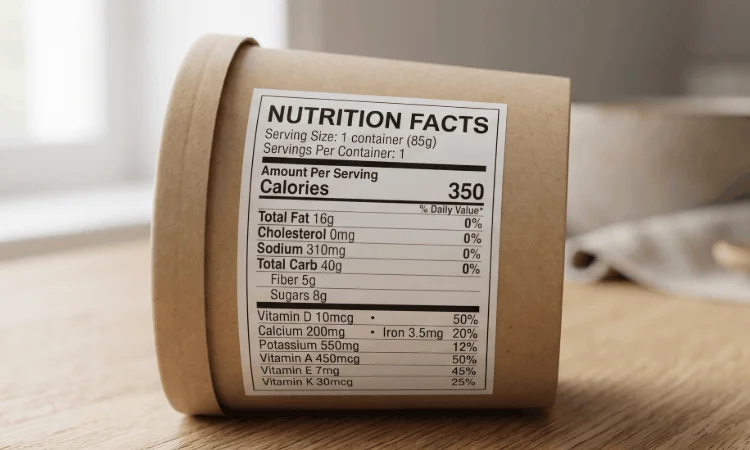
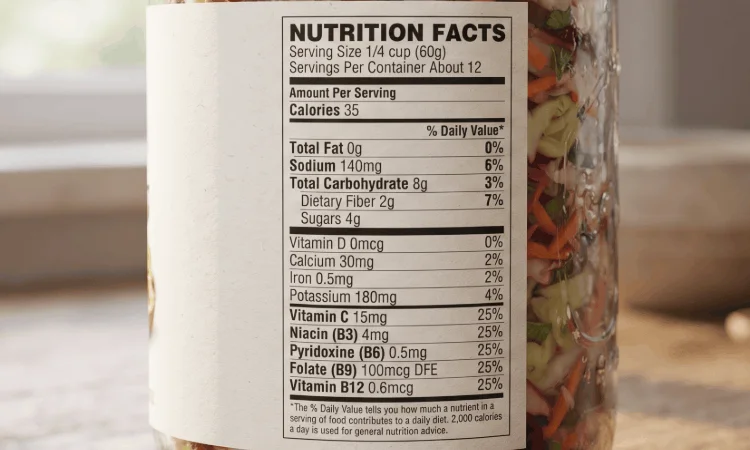
- Label and Nutrition Claim Discrepancies: Numerically verifies that claims such as "source of / high in vitamin C or B1, B2, B6, B12, folic acid" meet legal thresholds.
- Processing and Shelf-Life Losses: Makes visible the vitamin decreases caused by oxidation and thermal degradation during pasteurization, sterilization, drying, cooking, or storage.
- Fortification Homogeneity and Dosage Control: Confirms that intra-batch distribution and the target amount are achieved in beverages, powder blends, flours, or dietary supplements added with premixes.
- Compliance in Infant and Special Dietary Products: Documents that the defined vitamin profiles in infant formulas, follow-up formulas, and foods for special medical purposes comply with standards.
Priority Reviewed Product and Matrix Groups
- Fruit juices, nectars, flavored waters, energy/sports drinks, and powdered drink mixes
- Milk, dairy beverages, yogurt, kefir, and dairy-based products
- Infant formulas, follow-up formulas, and cereal-based baby/children complementary foods
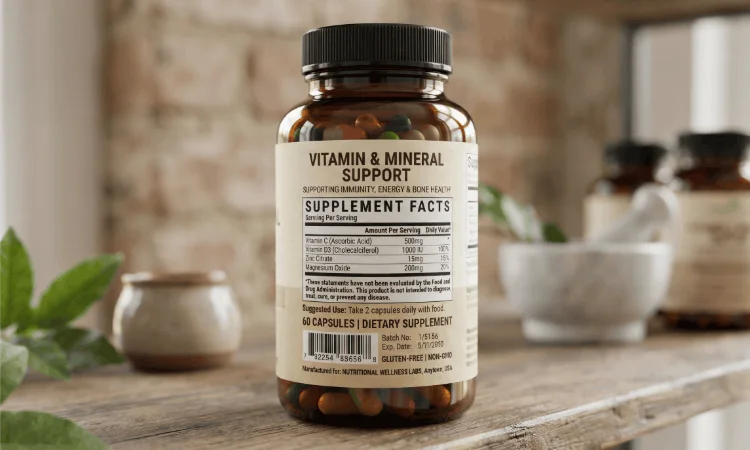
- Dietary supplements (tablet, capsule, syrup, sachet, drop, and powder forms)
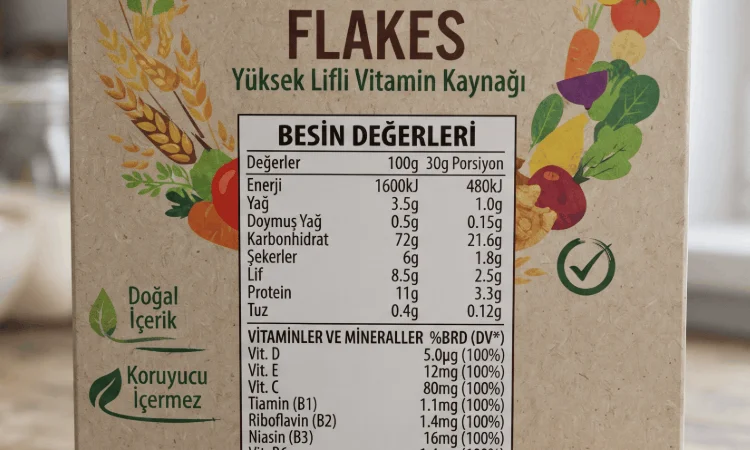
- Breakfast cereals, fortified flours, bakery products, and meat/vegetable products
To demonstrate your products' water-soluble vitamin profile and nutritional label accuracy with reliable laboratory data, you can submit your analysis request for determination of water-soluble vitamins in foods to our laboratory.