Determination of Indicator PCBs (ndl-PCBs) in Foods
The group that constitutes the vast majority of the 209 polychlorinated biphenyl (PCB) congeners—which were intensively used in the past in industrial insulation fluids, coolants, paints, and plasticizers, and which do not act via a dioxin-like toxicological mechanism—is called non-dioxin-like PCBs (ndl-PCBs). In food and environmental monitoring programs, to represent the total contamination load of this broad group, the 6 indicator PCB congeners (PCB 28, PCB 52, PCB 101, PCB 138, PCB 153, and PCB 180) determined by the International Council for the Exploration of the Sea (ICES) and the European Food Safety Authority (EFSA) are taken as a basis. Conducted for the purpose of controlling these compounds, which accumulate especially in fatty fish, meat, milk, and vegetable oil matrices due to their lipophilic structures and chemical stabilities, the determination of indicator PCBs in foods ensures both consumer health and commercial compliance by measuring residues at the ng/g (ppb) level with high selectivity.
Within the scope of the Turkish Food Codex Regulation on Contaminants and European Union (EU) 2023/915 contaminant regulations; category-based binding maximum limits (ng/g fat or wet weight) are applied for fish and fishery products, red meat and poultry meat, raw milk and dairy products, eggs, animal/vegetable fats and oils, and foods for infants and young children based on the sum of 6 indicator PCBs (∑PCB6).
What Risks Does It Manage in the Animal and Fatty Food Chain?
While dioxin-like PCBs are evaluated via WHO-TEQ, indicator PCBs are audited directly through the sum of mass concentrations and provide food businesses with protection in the following critical areas:
| Control cap | Field Risk | Assurance Provided by the Analysis |
|---|---|---|
| ∑PCB6 total limit compliance | Even though individual isomers appear low, the sum of the 6 congeners exceeds the legal limit | Proves full compliance of the product batch with the total indicator PCB limit in the legislation |
| Fish and water product exports | High bioaccumulation originating from marine and freshwater sediments | Ensures farm and game products pass EU and target market border controls smoothly |
| Plant and marine oil refining | Contaminations originating from crude fish oils, vegetable oils, or transport tanks | Documents the efficiency of the refining process and raw material acceptance criteria with scientific data |
| Milk, meat and egg production | Contaminated feed fats or pasture accumulation near industrial environments | Guarantees that legal thresholds are not exceeded in animal fat-based foods |
Prioritized product and matrix groups
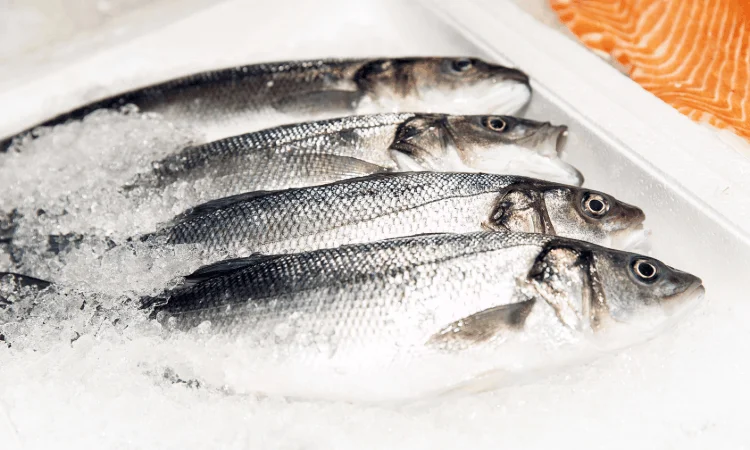
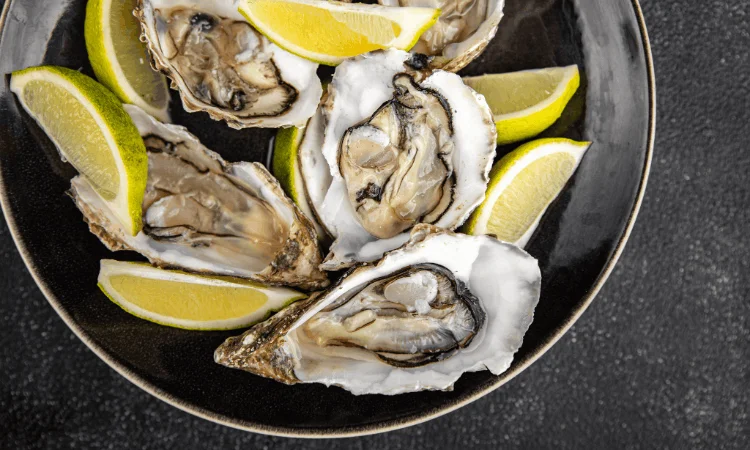
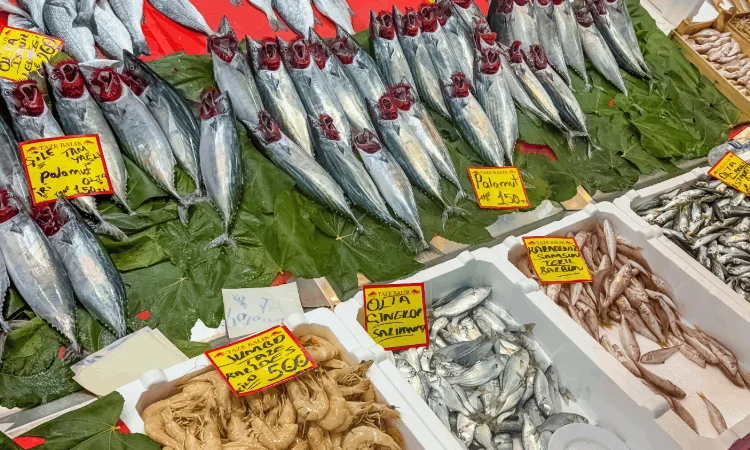
- Marine and freshwater fish, shellfish/soft‑shell water products and fish oils
- Red meat, poultry, liver/offal and processed meat products
- Raw milk, butter, cheese, cream and milk powder types
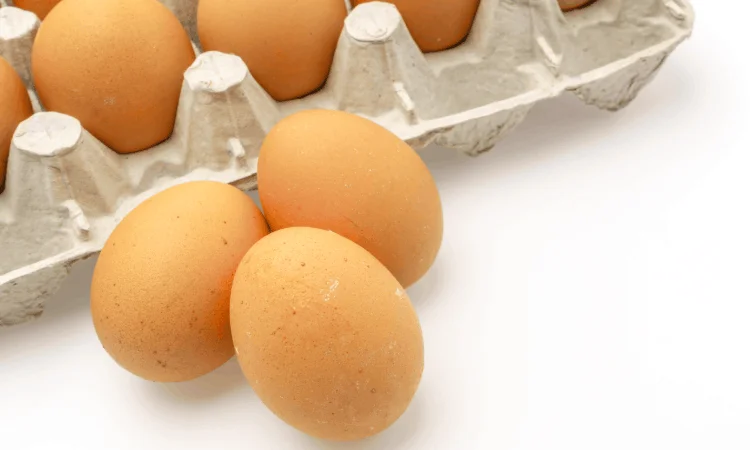
- Eggs and egg-based products
- Herbal raw/refined oils, animal fats and baby/little food
You can submit your analysis request for determination of indicator PCBs in foods to our laboratory to verify the indicator PCB (∑PCB6\sum \text{PCB}_{6}∑PCB6) level of your fish, meat, milk, egg and dairy products with scientific data according to current legislation limits.