Determination of Fumonisin B1 in Food
In the corn plant Fusarium verticillioides (formerly F. moniliforme) and Fusarium proliferate Fumonysin group, which is synthesized by the molds, is the dominant component of fumonysin B1 (FB1) in terms of both its incidence and toxicological effect strength in the group mycotoxins. This toxin, which causes toxic effects on the liver and kidney by disrupting the sphingolipid metabolism in the cell membranes and evaluated by IARC in the group 2B (possible carcinogen in humans) class; Despite its water-soluble structure, it is resistant to cooking, baking and standard extrusion temperatures. B1 determination of fumonis in foodespecially in corn-based raw materials and processed products μg/kg It ensures food safety and legislative compliance by measuring residues at (PPB) level by high selectivity.
Within the scope of the Turkish Food Codex Regulations and the European Union (EU) 2023/915 Infected Regulations; For unprocessed corn, grinding products (corn flour, cornmeal, starch/dandruff fractions), corn-based cereals, snacks and grain-based supplements for infants/little children fummonisin B1 and Connection maximum limits are applied over the B2 sum.
What risks does corn manage in the processing and supply chain?
Fumonysin B1 can accumulate rapidly in Egyptian parties where rainy harvest conditions following the dry growing periods or Cob worm damage; This situation poses tangible risks in different links of the supply chain:
- Egyptian Silos and Milling Acceptance Control: Confirms that corn lots entering wet or dry grinding plants remain within the limits of legislation before being taken to the production line; Prevents contaminated batches from mixing with clean stocks.
- Condensation tracking in grinding fractions: During dry grinding, the toxin is predominantly concentrated in the outer shell (dandruff) and germ fractions, while semolina and refined flour fractions may remain at lower levels; Line-based monitoring clarifies product safety.
- Breakfast cereals and corn chips Process validation: Indicates that the FB1 residue, which is not completely broken down in high-temperature processes such as extrusion and frying, does not exceed the final product limits.
- Precision limit compatibility in baby and small children's supplementary foods: Applied in grain-based baby food 200 μg/kg200\mu\text{g/kg}200 μg/kg Documents with accredited reports that narrow legal limits such as (FB1 + FB2 sum) are met.
Priority Examined Product and Raw Material Groups
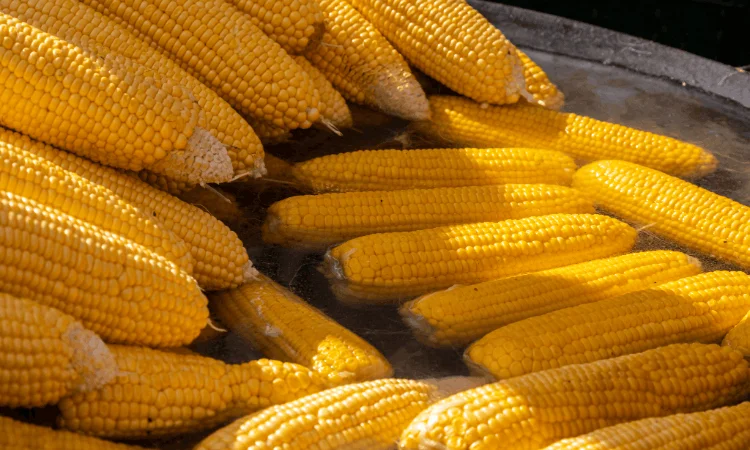
- Unprocessed grain corn and broken corn parties
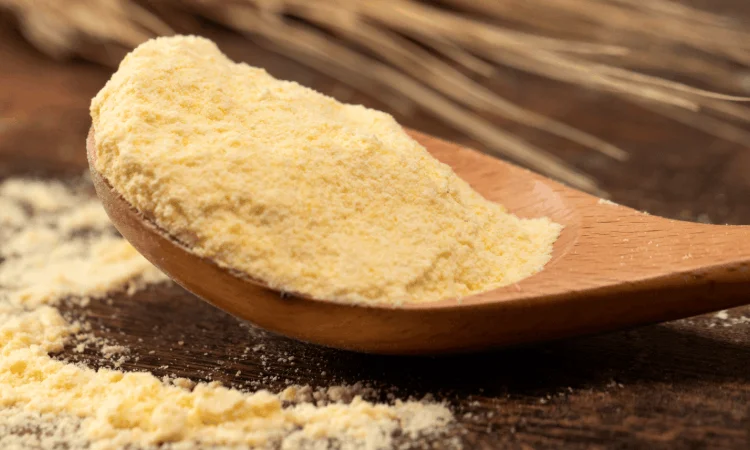
- Corn flour, cornmeal, corn bran, corn starch and glucose syrup raw materials
- Cornflakes and other cereal cereals
- Corn-based chips, extruded snacks, tortillas and bakery mixes
- Grain-based baby and toddlers
To verify the fumonycin B1 and total fumony of your corn and grain-based products with scientific data according to current legislation limits, you can send your analysis request to our laboratory Fumonysin B1 Determination in Foods.