Determination of Furans in Food (PCDF)
Combined with PCDD compounds during combustion processes, industrial thermal processes, metal recovery and chlorinated chemical production Polychlorinated Dibenzofurans (PCDF)are permanent organic pollutants with planar aromatic structure (pop) where two benzene rings are combined with the oxygen bridge and carbon-carbon bond. Especially 10 toxic PCDF congener carrying chlorine atoms in positions 2,3,7.8, thanks to their fat solubility and metabolic resistance, they are bioaccumulated in the food chain and are evaluated together with PCDD isomers in food safety legislation. Determination of Furans (PCDF) in Foods, , pg/g By measuring the (PPT) work levels with high selectivity, it ensures both the total dioxin (PCDD/PCDF) burden and compliance with the legal legislation.
Within the scope of the Turkish Food Codex Regulations and the European Union (EU) 2023/915 Infected Regulations; Maximum limits set for animal fats containing foods, fish and aquatic products, milk and dairy products, eggs, vegetable oils and infants/little food, PCDD and PCDF isomers WHO-TEQ (World Health Organization Toxic equivalence factors) coefficients and defined over the weighted sum.
What risks does it prevent in food safety and export processes?
Furan (PCDF) contaminations often occur not alone, but with other environmentally and process-induced permanent pollutants; Therefore, monitoring processes provide protection in these critical areas:
- Total PCDD/PCDF and TEQ limits: Clarifies whether the total TEQ value is exceeded with the contribution of 2,3,7,8-chlorine PCDF congeners, even if the PCDD level is below the limit.
- Assurance in Export and Border Control Processes: Prevents customs refusals by providing TEQ-based conformity data requested by international authorities in fish, aquatic products, dairy products, meat and vegetable oil shipments.
- Raw Material and Process Welded Contamination Detection: Feed oils capture permanent contaminant transitions that may arise from drying/heating stages or conveying equipment in the pre-production stage.
- Security in baby and sensitive group foods: Proof with scientific report that the ultra-low TEQ limits prescribed in baby formulas and children's complementary foods are met.
Which product and matrix groups are frequently examined?
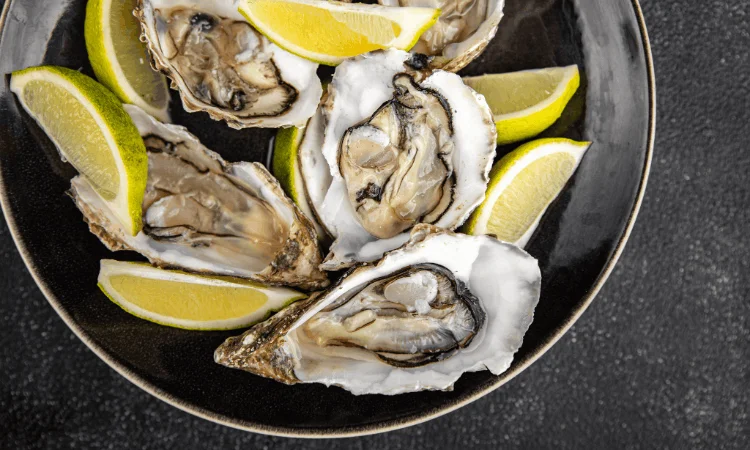
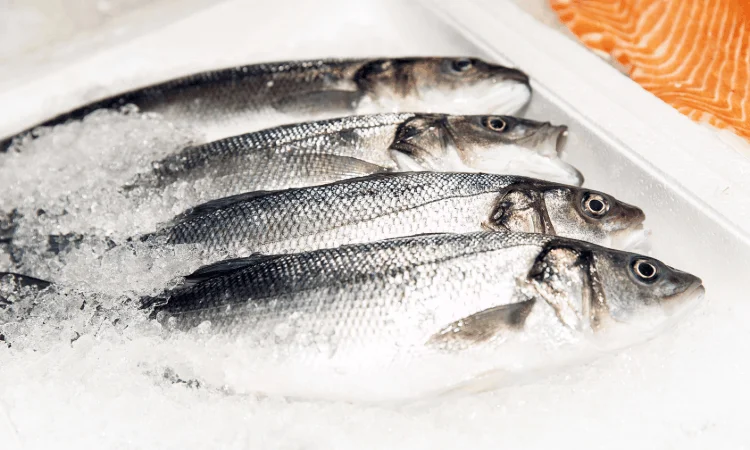
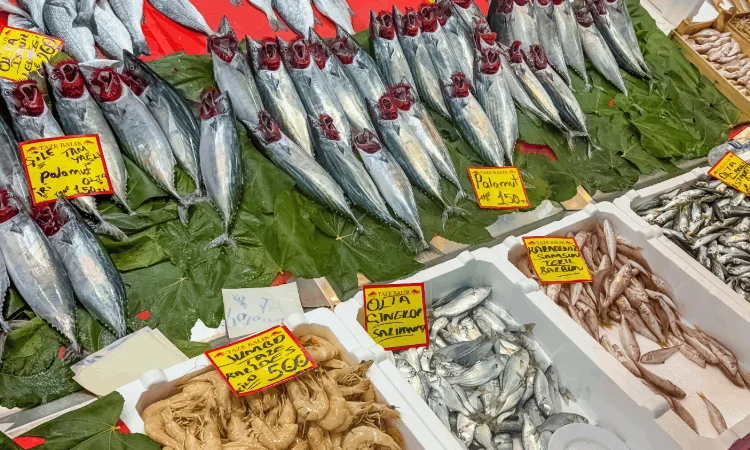
- Fish meat, farm/hunting aquaculture, shellfish and fish oils
- Red meat, poultry meat, offal, and processed meat products
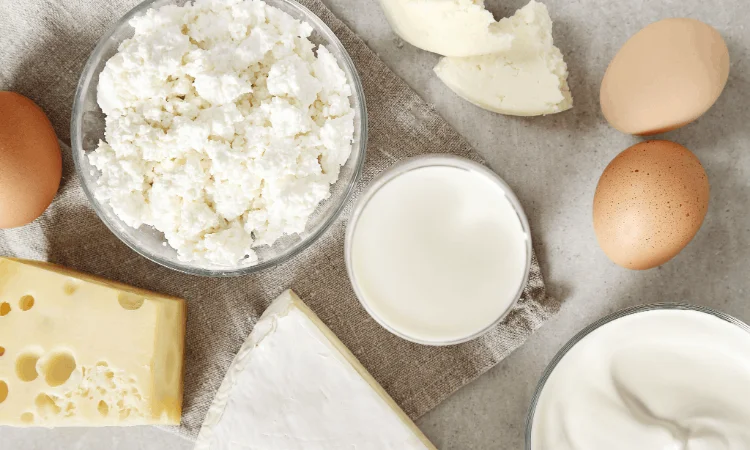
- Raw milk, butter, cheese, cream and milk powder types
- Egg and egg products
- Herbal raw and refined oils, animal fats and baby/little food
To verify the Furan (PCDF) and Total TEQ levels of your product batches with scientific data according to current legislation limits, you can send your analysis request to our laboratory Furans (PCDF) in Foods.