Determination of Dioxin‑Like PCBs (dl‑PCB) in Foods
In the past, polychlorinated biphenyls (PCB) commonly used in transformers, capacitors, hydraulic fluids and heat transfer systems, among which those that do not have a chlorine atom in the ortho position (non-ortho) or have only a single ortho chlorine (mono-ortho) 12 coplanar congeners, trigger the same toxicological mechanism as dioxins by binding to the intracellular aryl hydrocarbon receptor (AhR) thanks to their three‑dimensional planar geometries. Therefore, these 12 compounds, called dioxin‑like PCBs (dl‑PCB), have been included in the toxic equivalence system together with PCDD and PCDF isomers in food safety legislation due to their high bioaccumulation capacities in fatty tissue and environmental persistence. Determination of dioxin‑like PCBs in foods, pg/g (ppt) level residues are measured with high selectivity, guaranteeing both compliance with the total TEQ limit and the safety of external market shipments.
Under the Turkish Food Codex Contaminants Regulation and the European Union (EU) 2023/915 contaminant provisions; fish and water products, red meat and poultry, milk and dairy products, eggs, animal/plant feed and liquid oils and baby/young child foods, the total of PCDD + PCDF + dl‑PCB is used as the basis for applying binding maximum limits according to the World Health Organization Toxic Equivalency Factors (WHO‑TEQ).
Which Critical Risks Are Prioritized in the Animal and Marine Food Chain?
Especially in aquatic ecosystems and long‑lived fish species (salmon, mackerel, tuna, eel, etc.) or in products of animals grazing near industrial areas, dl‑PCB congeners can alone account for a significant part of the total TEQ load:
| Control Area | Field Risk | Assurance Provided by the Analysis |
|---|---|---|
| Fish and water product exports | Exceedance of the total TEQ limit due to dl‑PCB contribution while PCDD/PCDF are below the limit | Demonstrates full compliance of water product batches with EU and international limit control thresholds |
| Milk, meat and egg production | Feed oils, fish meal/oil fortified rations or environmentally sediment‑derived accumulation | Verifies that animal‑oil based foods do not exceed cumulative WHO‑TEQ limits |
| Plant and marine oil refining | Transfer of persistent organic pollutants in raw fish oils and plant oil batches | Documents refinement efficiency and raw material acceptance criteria with scientific data |
| Baby and young child foods | Ultra‑low total TEQ limits defined for a sensitive consumer group | Maintains safe production standards in baby formula based on meat, fish and milk |
Prioritized product and matrix groups
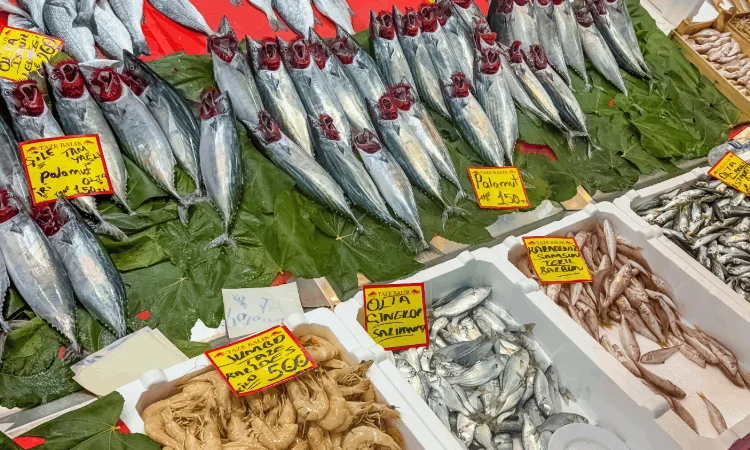
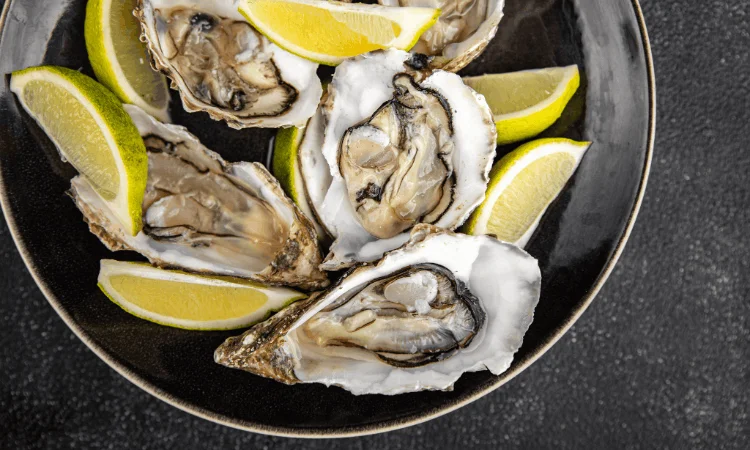
- Marine and freshwater fish, shellfish/soft‑shell water products and fish oils
- Red meat, poultry, liver/offal and processed meat products
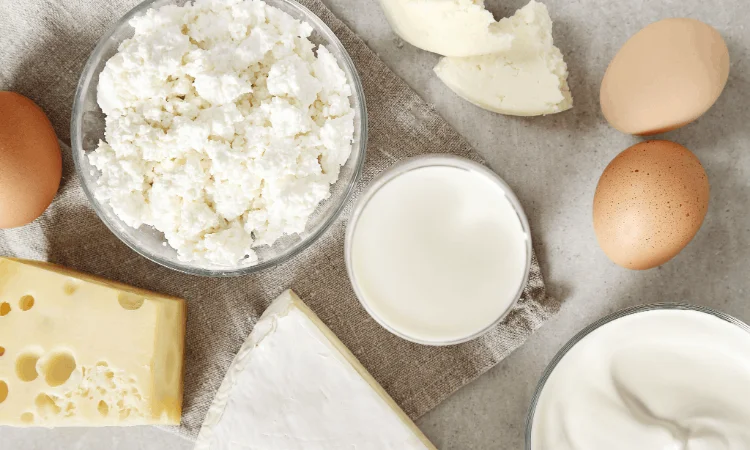
- Raw milk, butter, cheese, cream and milk powder types
- Egg and egg products
- Herbal raw and refined oils, animal fats and baby/little food
You can submit your determination of dioxin‑like PCBs in foods analysis request to our laboratory to scientifically verify the dioxin‑like PCB (dl‑PCB) and total TEQ levels of your meat, milk, fish, egg and oil products against current regulatory limits.