Substantiation of Vitamin Claims
Nutrition and health claims on packaging, such as "source of vitamin C", "high in vitamin D", "enriched with B-group vitamins", or those emphasizing the contribution of a specific vitamin to normal immunity and energy metabolism, are high-responsibility claims that directly influence consumer choice. For these claims to be considered legally and scientifically valid, it must be proven with objective data that the product maintains the targeted vitamin amount both at the time of production and throughout its shelf life. Substantiation of vitamin claims prevents labeling risks, official regulatory penalties, and losses of consumer trust by verifying natural or added vitamin levels in the product formulation through precise laboratory analyses.
Theoretical recipe calculations may not fully reflect raw material variations, thermal processing losses, oxidation, or fluctuations in storage conditions. Therefore, analytical verification of each declared vitamin parameter on the final product forms the basis of quality assurance processes.
Which Risks Does It Prevent in Labeling and Market Inspections?
The substantiation of vitamin claims with analytical data provides critical commercial and legal safeguards for manufacturers and brand owners:
- Regulatory Violations Due to Insufficient Vitamin Content: Prevents batches that fall below the claim threshold (e.g., 15% of the reference intake value or twice that level, which is the high content condition) from being placed on the market.
- Exceeding Label Tolerance Limits: Verifies that the deviations between the value declared in the nutrition table and the actual analysis result remain within permitted tolerance ranges.
- Management of Shelf-Life Losses: Proves that light-, temperature-, and oxygen-sensitive vitamins (especially C, A, E, B1, B2, B12, and folic acid) maintain the declared level until the expiration date.
- Premix Dosage and Mix Homogeneity Errors: Confirms that vitamin mixtures added for fortification are distributed homogeneously throughout the batch and reach the target dosage.
In Which Product Groups Is It Applied with Priority?
- Enriched fruit juices, beverages, mineral/flavored waters, and powdered drink mixes
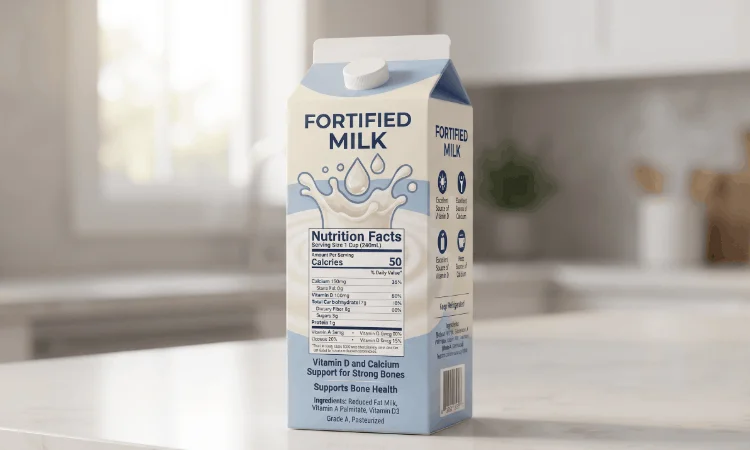
- Milk, yogurt, dairy drinks, margarine, and breakfast dairy products
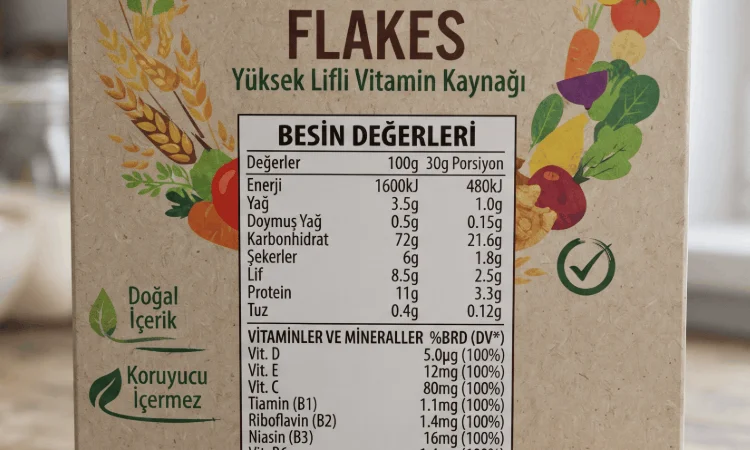
- Breakfast cereals, fortified flours, biscuits, and bakery products
- Infant formulas, follow-up formulas, and cereal-based baby/children complementary foods
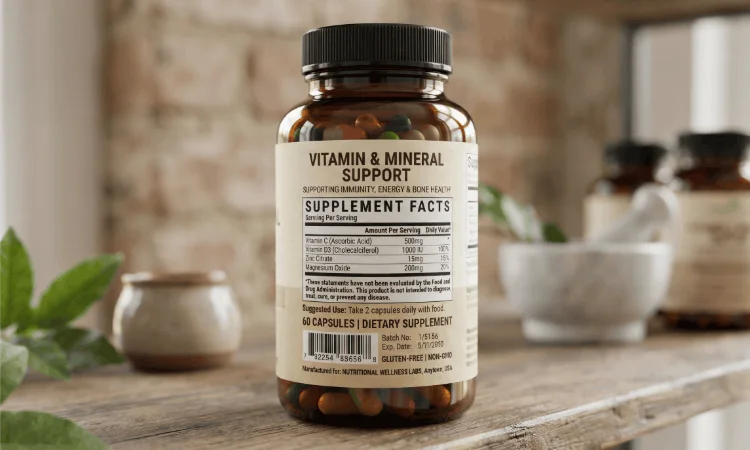
- Food supplements, sports nutrition products, and functional foods
To safeguard nutrition and health claims on your product labels with scientific data, you can submit your analysis request within the scope of substantiation of vitamin claims to our laboratory.